Hiking the Hills of Byblos and Finding Magic in Every Bite
Nestled along Lebanon’s coastline, Byblos isn’t just one of the world’s oldest cities—it’s a gateway to breathtaking trails and unforgettable flavors. I hit the mountain paths surrounding this ancient town, where every turn revealed terraced hills, Mediterranean views, and quiet villages frozen in time. But the real surprise? What awaited me at the end of each hike: steaming plates of grilled halloumi, slow-cooked stews, and fresh za’atar flatbreads served with generations-old charm. This is more than travel—it’s a sensory journey through history, nature, and food.
Discovering Byblos: More Than Ancient Stones
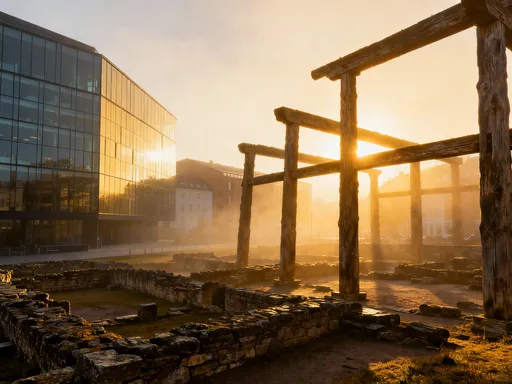
Byblos, known locally as Jbeil, stands as a living testament to human endurance and cultural continuity. With archaeological evidence tracing its origins back over 7,000 years, it predates recorded history and has witnessed the rise and fall of empires—Phoenician, Roman, Crusader, Ottoman. Yet today, it is not merely a museum of ruins. The old town pulses with life: fishermen mend their nets along the harbor, artisans sell hand-carved olive wood, and the scent of cardamom coffee drifts through narrow alleyways paved with time-worn stone. Beyond the citadel and the ancient port lies a quieter world—one of elevated paths, terraced slopes, and olive trees that twist like ancient sentinels across the hillsides.
These surrounding highlands, often overlooked by mainstream tourism, offer some of the most rewarding hiking opportunities in the Levant. Trails radiate outward from the town like veins, connecting coastal elevation with inland villages such as Aaqoura, Bchaaleh, and Deir el-Harf. The terrain varies from rocky footpaths lined with thyme and wild oregano to shaded pine forests where sunlight filters through in golden patches. What makes these routes exceptional is their accessibility—many begin within a 20-minute walk from the town center—and their ability to shift perspective. One moment you're navigating the bustling souk, and the next, you're ascending a quiet trail with uninterrupted views of the Mediterranean stretching to the horizon.
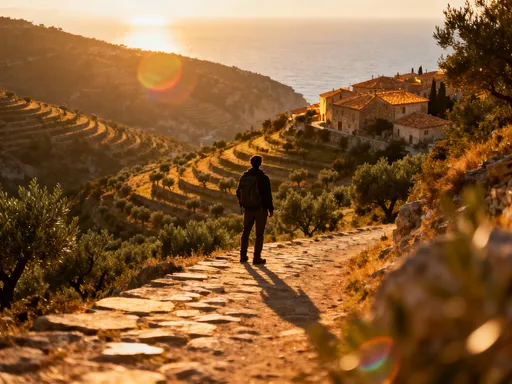
The landscape itself tells a story of resilience. Centuries of terracing have sculpted the hills into stepped layers, each supporting olive groves, fig orchards, or small vegetable plots tended by local families. These agricultural practices remain largely unchanged, passed down through generations. As hikers, we become temporary witnesses to this quiet rhythm of rural life: a farmer pruning vines at dawn, a goat bell echoing in the valley, the distant clang of a church bell from a village hidden in the folds of the mountain. The act of walking here is not just physical movement—it’s a form of engagement, a way to experience Byblos not as a postcard, but as a living, breathing entity.
Why Hiking Elevates the Travel Experience
Hiking transforms the way we connect with a place. Unlike driving or even cycling, walking demands presence. It slows us down, forcing attention to the details that might otherwise blur into background: the texture of sun-warmed stone beneath your palm, the sudden fragrance of wild mint crushed underfoot, the way shadows lengthen across the valley as the afternoon deepens. In the hills around Byblos, this heightened awareness reveals a world rich in biodiversity and cultural nuance. The trails are not just scenic—they are immersive classrooms, teaching through sensation rather than lecture.
Physically, hiking offers measurable benefits—improved cardiovascular health, muscle engagement, and mental clarity—but its emotional rewards are equally significant. Studies have shown that time spent in natural environments reduces stress and enhances mood, a phenomenon sometimes referred to as 'forest bathing' or *shinrin-yoku*. In Lebanon’s highlands, this effect is amplified by the quietude and the absence of urban noise. The only sounds are the wind through the pines, the occasional bleat of a distant goat, and the rhythmic crunch of gravel under hiking boots. This sensory simplicity allows the mind to reset, creating space for reflection and deeper appreciation of one’s surroundings.
Specific trails near Byblos illustrate this perfectly. The route toward the forested outskirts of Jouret El Qattine, for example, winds through a mix of Aleppo pine and carob trees, with occasional clearings offering panoramic views of the coastline. The difficulty is moderate—suitable for hikers of average fitness—and the elevation gain gradual, making it ideal for travelers seeking a meaningful challenge without extreme exertion. Along the way, it’s common to encounter wild thyme growing in abundance; locals often pause to gather sprigs, later drying them for use in *za’atar*, the iconic Levantine spice blend. Further inland, trails leading toward the Qadisha Valley foothills pass through areas where fig and pomegranate trees grow wild, their fruit ripening in late summer. These are not curated parklands but living landscapes shaped by both nature and human stewardship.
Equally valuable are the unexpected human encounters. Shepherds guiding flocks across high pastures, elderly villagers tending small plots, or children waving from a hillside home—all contribute to a sense of authenticity that is increasingly rare in mass tourism. These interactions, though often brief, create moments of connection that linger long after the hike ends. They remind us that travel is not just about seeing new places, but about meeting people whose lives are woven into the land. Hiking, in this context, becomes a bridge between visitor and resident, observer and participant.
The Rhythm of the Trail: A Day in the Life of a Hiker
A successful hike in the hills of Byblos begins before sunrise. The Mediterranean climate brings intense heat in summer, making early morning the ideal time to start—cool air, soft light, and the world still wrapped in quiet. Packing is minimal: a lightweight backpack with water (at least two liters per person), energy-rich snacks like dates and nuts, sunscreen, a hat, and sturdy footwear with good grip. Trail markers exist but are sometimes sparse; rather than relying solely on GPS, many locals use natural landmarks—distinctive rock formations, ancient cypress trees, or the alignment of terraced walls—to navigate. This traditional wayfinding adds to the sense of adventure, encouraging mindfulness and attentiveness to one’s surroundings.
As the sun climbs, the landscape awakens. Pine resin warms in the sunlight, releasing a sharp, clean aroma that mingles with the earthy scent of dry soil. Cicadas begin their rhythmic chorus, a sound so constant it becomes part of the silence. Birds of prey—often kestrels or short-toed eagles—circle high above, riding thermal currents in search of movement below. The trail itself may be uneven, with loose stones and exposed roots, requiring steady footing. Yet these challenges are part of the experience, grounding the hiker in the physical reality of the journey.
Mid-morning brings the first major viewpoint—a rocky outcrop or abandoned shepherd’s hut offering a sweeping vista. Here, many pause to rest, sip water, and absorb the panorama: the deep blue of the sea, the patchwork of terraced fields, and the distant silhouette of Byblos’ ancient castle rising above the coast. It’s a moment of stillness, a chance to reflect on the distance covered and the beauty revealed. Some trails pass near seasonal springs or shaded groves, where it’s possible to sit and listen—to the wind, to distant church bells, to the faint clatter of goat hooves on stone.
Safety is paramount. Hikers are advised to avoid private property, especially during agricultural seasons when fields may be in use. Some areas are temporarily closed during olive harvest or due to fire risk in dry months. Respecting these boundaries is not only a matter of courtesy but also of preserving trust between visitors and local communities. Carrying a basic first-aid kit, informing someone of your route, and checking weather conditions before departure are simple but essential precautions. The goal is not conquest, but harmonious movement through a fragile, cherished environment.
From Summit to Table: The Reward of Specialty Dining
After hours of walking, the promise of a meal becomes more than sustenance—it becomes celebration. In the villages nestled in the hills surrounding Byblos, food is not an afterthought but a culmination. Many hikers find their way to small, family-run *ma7alleh*—local eateries that operate more like communal kitchens than formal restaurants. These spots often lack signage, relying instead on word of mouth and the steady stream of regulars who know exactly where to go. The menu is rarely written; instead, the host will ask what you’d like or simply bring what’s been prepared that day, sourced from nearby gardens, orchards, or family recipes.
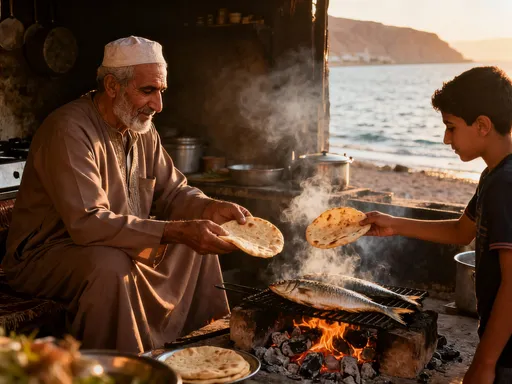
The dishes served are deeply rooted in Levantine tradition, emphasizing freshness, seasonality, and simplicity. Grilled halloumi, pan-seared until golden and served with a drizzle of thyme honey, is a common post-hike favorite—salty, warm, and deeply satisfying. Lamb, often slow-cooked with onions, cinnamon, and a touch of pomegranate molasses, falls apart at the touch of a fork, its rich aroma filling the dining space. Stews like *fassoulia*—white beans simmered in tomato sauce with garlic and olive oil—are both nourishing and comforting, ideal after physical exertion. Freshly baked flatbreads, dusted with za’atar or brushed with olive oil, arrive hot from the oven, their aroma alone enough to revive tired spirits.
Equally important are the accompaniments: labneh strained overnight and served with mint and olive oil, pickled turnips for a sharp contrast, and fresh herbs plucked from the garden just before serving. When available, *kibbeh nayeh*—a dish of finely minced raw lamb mixed with bulgur and spices—is offered, but only in establishments known for strict hygiene and immediate preparation. The emphasis is always on quality and tradition, not novelty or presentation. These meals are not performances; they are acts of hospitality, shared with warmth and pride.
Where Tradition Meets Taste: Authentic Dining Experiences
Dining in the hillside villages near Byblos is as much about atmosphere as it is about food. Meals often take place under trellises heavy with grapevines, their leaves filtering the afternoon light into dappled patterns on the table. In some homes, guests are invited to sit on low cushions around a central platter, eating with pieces of bread rather than utensils. This style of communal dining fosters connection, encouraging conversation and shared enjoyment. It’s not uncommon for a meal to be joined by a neighbor, a relative, or even the family’s elderly grandmother, who might offer stories of the village’s past between sips of mint tea served in small, handleless glasses.
These experiences stand in stark contrast to commercialized tourism. There are no themed decor, no curated ‘authenticity,’ no English menus with exaggerated descriptions. Instead, authenticity emerges naturally—from the hand-painted tiles on the wall, the mismatched china, the way the host refills your glass without being asked. The pride in local cuisine is evident, not in boastfulness, but in quiet confidence. A dish is served not because it’s trendy, but because it’s what the family has always eaten, what the land provides, what the season allows.
One of the most touching aspects of these meals is the absence of rush. Time expands. A simple lunch can stretch into three hours, punctuated by pauses for tea, fruit, or conversation. This slow rhythm mirrors the pace of the hike itself—deliberate, unhurried, attentive. It reflects a cultural value that prioritizes presence over productivity, connection over convenience. For the traveler, this is a rare gift: the chance to step outside the demands of modern life and into a different way of being, if only for a few hours.
And always, there is tea. Not as an afterthought, but as a ritual. Green tea steeped with fresh mint, sweetened lightly with sugar, poured from a height to aerate and cool. It arrives repeatedly throughout the meal, a constant companion. In this tradition, tea is more than a drink—it’s a gesture of welcome, a symbol of generosity, a thread that binds guest and host. To decline a second or third glass is almost unthinkable. To accept it is to accept the fullness of the experience.
Practical Tips for Combining Hiking and Dining in Byblos
For those planning to follow in these footsteps, preparation is key. The best times to visit are spring (March to May) and fall (September to November), when temperatures are mild, wildflowers are in bloom, and the risk of extreme heat or rain is low. Summer hikes should begin very early—by 6 a.m.—and avoid the midday sun. Winter visits are possible but require checking trail conditions, as some paths may become slippery or inaccessible after rain.
Essential gear includes moisture-wicking clothing, a wide-brimmed hat, UV-protective sunglasses, and hiking shoes with ankle support. A reusable water bottle or hydration bladder is crucial, as natural water sources are not safe to drink without treatment. While smartphones can assist with navigation, downloading offline maps and carrying a basic paper map as backup is wise. Local guidance is invaluable—many guesthouses in Byblos can recommend trusted trails and even arrange informal guides from nearby villages.
When it comes to dining, look for places where locals eat. Busy tables, simple decor, and a lack of tourist-oriented signage are good indicators. Pay attention to hygiene: clean utensils, covered food, and staff who wash hands regularly. Street food can be safe and delicious, but opt for items that are cooked to order and served hot. If trying raw meat dishes like *kibbeh nayeh*, ensure they are prepared in reputable settings with high turnover and strict handling practices.
To minimize environmental impact, consider using public transportation or shared taxis (*service taxis*) instead of renting a car. Many trails are accessible via short rides from Byblos, and supporting local transit helps sustain rural economies. Carrying a small trash bag to pack out waste—especially plastic—is a simple but meaningful act of respect for the landscape. Finally, always ask permission before photographing people or entering private land. A smile and a polite gesture go a long way in building goodwill.
Why This Journey Stays With You
The combination of hiking and dining in the hills of Byblos creates a travel experience that lingers long after the return home. It is not measured in photos or souvenirs, but in memory and feeling. The ache in your legs after a long climb, the warmth of bread fresh from the oven, the sound of a shepherd’s call echoing across the valley—these sensations embed themselves in the mind, forming a tapestry of moments that feel more real than any curated itinerary.
What makes this journey profound is its invitation to participate rather than observe. You are not just passing through; you are moving with the land, eating from its soil, sharing time with its people. Each step and each bite becomes a form of dialogue—a conversation with history, nature, and tradition. This is slow travel at its most authentic: deliberate, sensory-rich, and deeply human.
In a world where tourism often prioritizes speed and spectacle, the hills of Byblos offer a different path. They remind us that the most meaningful adventures are not always the most dramatic, but the ones that engage all the senses and leave us feeling connected—to place, to people, to ourselves. They teach us that true discovery lies not in checking destinations off a list, but in allowing a place to reveal itself gradually, through effort, patience, and presence.
So let the trail guide you. Let the meal reward you. And let the quiet magic of Byblos—its ancient stones, its sunlit hills, its tables laden with simple, honest food—remind you of what travel can be: not an escape, but a return. A return to slowness, to flavor, to the quiet joy of being exactly where you are, one step, one bite, at a time.