You Won’t Believe This Hidden Dining Scene in Aqaba
Aqaba, Jordan, is more than just Red Sea views and desert sands — it’s a culinary surprise waiting to be tasted. I didn’t expect much beyond grilled kebabs by the shore, but what I found was authentic, bold, and deeply local. From tucked-away family kitchens to seaside spots with zero signage, the city’s best meals happen off the map. This is dining in Aqaba like few ever experience — real flavors, warm welcomes, and no tourist menus in sight.
The Unexpected Flavor of Aqaba
Most travelers pass through Aqaba with a single goal: to reach Petra or float in the Red Sea. Few arrive with culinary curiosity. The common assumption is that coastal Jordan offers little beyond simple street food or hotel buffets designed for convenience rather than character. Yet beneath this surface lies a vibrant, uncelebrated food culture rooted in generations of Bedouin heritage, Jordanian generosity, and the bounty of the sea. The first clue that Aqaba holds more than meets the eye often comes not in a guidebook, but at a small, unmarked table set beneath a faded awning near the old port.
It might be a bowl of zibdieh — a rich, slow-cooked stew of tender lamb, okra, and sun-ripened tomatoes — served with freshly baked shrak bread that soaks up every drop of sauce. Or perhaps it’s sayadiya, a fragrant dish of spiced rice layered with flaked white fish, caramelized onions, and a whisper of cumin and coriander. The meal is not presented for photographs; it arrives simply, often on mismatched plates, yet the depth of flavor is unforgettable. This is not fusion cuisine or modern reinterpretation. It is food made the way it has been for decades — because it works, because it nourishes, because it connects people.
What transforms this experience from mere eating to cultural revelation is the context. There are no English menus, no servers trained to explain the dishes. Instead, there is a grandmother offering extra yogurt with a smile, a child passing warm bread from a cloth-lined basket, a local guest inviting you to share from the same plate. In that moment, the traveler’s focus shifts. The journey is no longer about ticking off landmarks but about slowing down, tasting deeply, and listening. Aqaba reveals itself not through monuments, but through meals that speak of home, history, and hospitality.
Why Hidden Dining Spots Thrive Here
The secrecy of Aqaba’s best meals is not by design, but by nature. Unlike Amman, where restaurants compete for attention with sleek interiors and social media presence, Aqaba’s food culture grows quietly, nurtured by family, faith, and routine. Many of the city’s most authentic dining experiences happen in spaces that are not technically restaurants at all — a back-room kitchen opened to neighbors, a seaside veranda where fishermen gather after their morning catch, or a courtyard where women prepare food for Friday gatherings.
These spaces thrive because they are not built for tourism. They exist to serve the community, operating on rhythms that align with prayer times, fishing schedules, and seasonal availability. A dish appears because the fish was fresh that morning, not because it’s on a fixed menu. A meal is shared because someone had extra, not because a reservation was made. This organic flow protects the authenticity of the experience. There is no performance, no adaptation for foreign palates — only the daily rhythm of life expressed through food.
Another reason these hidden kitchens remain under the radar is social tradition. In a conservative society where privacy is valued, especially in family homes, invitations are earned, not advertised. A woman preparing maqluba for her relatives may welcome a respectful visitor recommended by a trusted friend, but she is unlikely to post her hours online or hang a sign outside. The culture of modesty extends to food — pride is shown in generosity, not promotion. As a result, the best meals in Aqaba are not found through apps or reviews, but through connection, patience, and a willingness to be a guest rather than a customer.
How to Find the Best Unlisted Eateries
Finding Aqaba’s hidden dining gems requires a shift in mindset — from seeking destinations to observing life. The most reliable method is walking. Step away from the main corniche, where tourist-oriented cafes line the waterfront, and enter the narrow lanes behind the market streets. Look for clusters of people gathered around low tables in the late afternoon, or steam rising from a simple grill behind a blue door. Watch where local families go for lunch, not just where taxis drop off tour groups.
One of the most telling signs is a queue. If a handful of men in traditional thobes are waiting beside a windowless storefront at noon, it’s likely they’re lining up for mansaf, Jordan’s national dish of lamb cooked in fermented yogurt sauce and served over rice. These places often have no name, no menu, and no chairs — just a counter, a few plastic stools, and a cook who knows exactly how each regular likes their food. Don’t hesitate to smile and gesture that you’d like to try. A nod and a point often suffice.
Another powerful tool is conversation. Hotel staff, even in international chains, often have ties to local families and may mention a cousin’s seaside stall or a neighbor who makes the best hummus in the city. Taxi drivers, especially those who’ve been driving for years, are walking encyclopedias of neighborhood life. Ask where they eat lunch, or where they take their own families on weekends. Many will be happy to drop you off at a place that doesn’t appear on any map — and wait to take you back, knowing you’ll want to stay longer than expected.
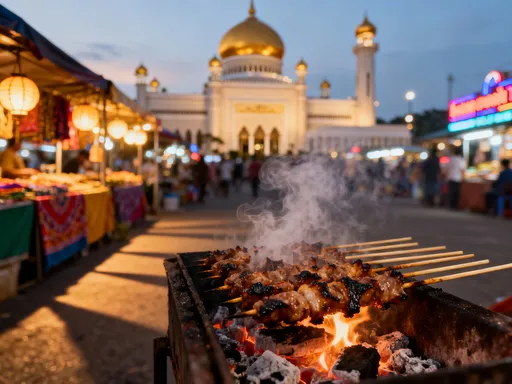
Timing also matters. Some hidden kitchens only open for a few hours at midday, closing when the food runs out. Others emerge at dusk near the fish market, where boats unload their catch and cooks begin grilling over open flames. These are not all-night operations; they follow the natural pace of the city. Arriving too late means missing out. But arriving with patience and respect often means being welcomed like family.
A Day in the Life of Local Flavors
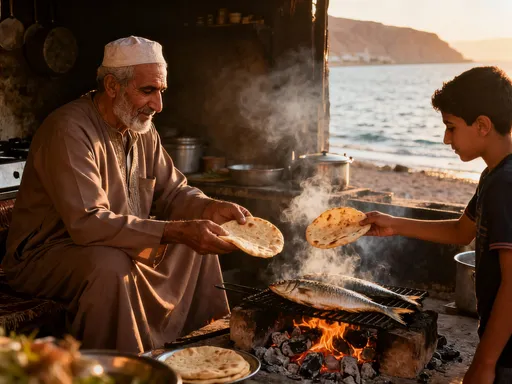
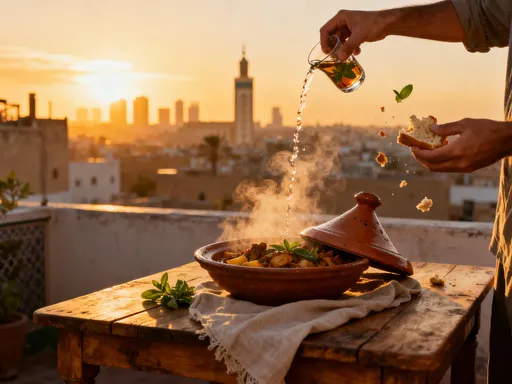
To eat like a local in Aqaba is to follow the rhythm of the day, where meals mark time as clearly as the call to prayer. Begin at sunrise, when the air is cool and the streets are quiet. Near the fish market, a small cart begins serving warm shrak bread straight from the saj, a domed metal griddle. The vendor spreads labneh — thick, creamy yogurt — over the hot bread, then drizzles it with golden olive oil and sprinkles of za’atar. A cup of sweet mint tea follows, poured from a height to aerate the liquid and enhance the aroma.
By midday, the heat rises, but so does the energy near the shore. A family-run seaside shack, little more than a wooden platform over the water, begins serving platters of grilled fish. The hammour, caught that morning, is split open, brushed with olive oil and lemon, and cooked over charcoal until the skin is crisp and the flesh flakes easily. It arrives with a side of fresh salad — cucumbers, tomatoes, and onions tossed with parsley and sumac — and a bowl of tahini sauce. Diners eat with their hands, dipping bread into the sauce, savoring the salt-kissed breeze, and refilling their glasses with cold lime juice sweetened with just a touch of sugar.
In the late afternoon, as the sun begins to soften, a break is needed. This is knafeh time. Not the bright orange, cheese-filled version from Nablus, but Aqaba’s own take — slightly crisp on the edges, soft in the center, made with local dairy and soaked in rosewater syrup. The best shops are tucked into residential alleys, recognizable only by the line of children waiting with small paper plates. The scent of cardamom and baked dough fills the air. Eating knafeh here is not a tourist ritual but a daily pleasure, shared with neighbors and enjoyed slowly, one sweet bite at a time.
As evening falls, the day may culminate in an invitation few tourists receive — a shared dinner in a private home. This is not a paid experience or a staged cultural show. It comes through connection — perhaps a conversation at a market, a kind word to a shopkeeper, or an introduction from a local guide. The meal might include freekeh-stuffed vegetables, lentil soup, and a large platter of musakhan — roasted chicken with sumac, onions, and pine nuts served over flatbread. The table is low, the seating is on cushions, and the conversation flows in Arabic, punctuated by laughter and gestures. Cameras are not pulled out. The moment is lived, not documented. This is dining at its most intimate — not as performance, but as belonging.
The Role of Seafood in Aqaba’s Identity
The Red Sea is not just a backdrop in Aqaba; it is a provider, a rhythm-keeper, and a source of pride. The city’s relationship with the sea shapes its cuisine in ways that are both practical and profound. Every morning, before the sun climbs high, the fish market comes alive. Boats return with nets full of hammour, kanad, and safi — fish that are sold within hours, often still glistening with seawater. There is no cold storage for days, no long supply chains. Freshness is not a selling point; it is the only option.
This immediacy defines the cooking. Fish is not breaded or heavily spiced to mask age. It is grilled simply, with salt, lemon, and maybe a touch of garlic. In clay pots, fish stews simmer with tomatoes, onions, and a blend of spices passed down through generations. The result is a cuisine that tastes of the sea itself — clean, bright, and deeply satisfying. Compare this to tourist areas where seafood is frozen, imported, or pre-marinated, and the difference is unmistakable.
What makes Aqaba’s seafood culture even more unique is the role of the fishermen. Many do not just catch fish — they cook it. A man who spends the night at sea may set up a small grill on the shore by midday, selling directly to those who know to look for him. There is no branding, no menu board. A gesture, a price named in Arabic, and a plate appears. This direct link between sea and plate ensures not only freshness but trust. The cook knows the source, the diner knows the cook, and the meal becomes a shared act of respect for the ocean’s gifts.
Balancing Tradition and Change
Aqaba is changing. New hotels rise along the coast, international brands open cafes, and more tourists arrive each year. These shifts bring opportunities — better infrastructure, more jobs, greater visibility. But they also bring pressure on the very traditions that make the city special. Some hidden kitchens have begun to adapt, offering English menus or adjusting hours to accommodate visitors. Others have closed, unable to compete with commercial rents or modern expectations.
Yet many remain unchanged. A cook in her sixties, preparing food in her backyard kitchen for the same families year after year, may politely decline an offer to turn her home into a restaurant. “This is for us,” she might say. “If someone comes, it is because they are welcome, not because they paid.” Her resistance is not about rejecting progress, but about protecting a way of life where food is tied to family, not profit.
The challenge now is how to grow without losing the soul of the city. The answer may lie in respectful tourism — travelers who come not to consume, but to connect. When visitors seek out hidden kitchens not for the novelty, but for the authenticity, when they sit at low tables with gratitude and listen more than they speak, they support preservation simply by valuing it. Development does not have to mean displacement. With care, Aqaba can welcome the world without becoming like everywhere else.
How to Eat Responsibly and Respectfully
Dining in Aqaba’s hidden spaces is a privilege, not a right. To honor these experiences, travelers must approach them with humility and respect. Dressing modestly is essential — shoulders covered, legs below the knee — especially when entering homes or family-run spaces. This is not about rules, but about showing that you understand and respect local norms.
When invited to share a meal, accept with gratitude. Refusing food can be seen as a rejection of hospitality. Eat what is offered, even if it’s unfamiliar. Take small portions at first, but return for more if you enjoy it — this is a compliment. Avoid asking for substitutions or special requests. These kitchens are not restaurants; they are homes and community spaces where food is prepared as it has always been.
Photography should be approached with care. Never point a camera at people without asking. A simple gesture — hand over the phone, smile, nod — can go a long way. In many cases, the best response is to put the phone away and be present. The memory of a shared meal is not in the photo, but in the warmth of the moment.
Learning a few Arabic phrases — “Shukran” (thank you), “Salaam alaikum” (peace be upon you), “Min fadlak” (please) — opens doors and hearts. They signal that you are making an effort, that you see the people, not just the place. And above all, be patient. Meals may take time. Service may be slow. But this is not inefficiency — it is intention. Food is not rushed. Relationships are not hurried. To eat in Aqaba is to slow down, to accept the pace of life as it is lived, and to find joy in the waiting as much as in the eating.
Aqaba’s secret dining experiences aren’t just about food — they’re about human connection, tradition, and the quiet pride of a city often overlooked. By stepping off the beaten path, travelers gain more than a meal; they gain insight. The real treasure isn’t on any menu. It’s in the shared silence over a steaming dish, the laughter around a low table, the unspoken welcome. This is Jordan at its most real — and it’s worth every mile to taste it.