What I Ate on a Thai Island That Changed My Taste Buds Forever
You know that feeling when you bite into something and suddenly, everything else fades away? That’s what happened on Koh Lipe, a tiny island in southern Thailand. I went for the beaches, but stayed for the food — bold curries, fresh grilled seafood, and flavors so vibrant they felt like a revelation. This isn’t just about eating; it’s about experiencing a culture through every bite. Nestled in the Andaman Sea near the Malaysian border, Koh Lipe is part of the Tarutao archipelago, a cluster of protected islands known more for their marine beauty than their culinary reputation. Yet, what I discovered was a quiet revolution of taste — one built on tradition, geography, and an unshakable connection to the sea. Meals here aren’t performances for tourists; they’re daily acts of identity, shared with pride and simplicity. From beachfront grills to roadside stalls, every dish tells a story of place, people, and the natural abundance that surrounds them. This journey changed not only what I eat but how I think about food — not as fuel, but as memory, connection, and discovery.
Arrival on Koh Lipe – A World Apart
The journey to Koh Lipe begins long before your feet touch sand. It starts with a bus ride from Hat Yai, winding through rubber plantations and small farming villages where palm trees lean like sentinels over quiet roads. From there, a speedboat cuts across the Andaman Sea, the mainland shrinking behind you until only open water remains. The first glimpse of Koh Lipe is unforgettable — a sliver of white sand framed by emerald jungle and water so clear it looks like liquid glass. Unlike the bustling resorts of Phuket or Samui, Koh Lipe moves at the pace of tides and breezes. There are no cars, only walking paths and the occasional electric cart. The island’s isolation, once a barrier, has become its strength. Cut off from mass tourism for decades, Koh Lipe preserved traditions that are now rare elsewhere. This includes its food culture — deeply rooted in southern Thai and Malay influences, shaped by generations of fishing families and spice traders. Because supplies must be shipped in, freshness isn’t a trend here; it’s a necessity. Fishermen return at dawn with the day’s catch, and within hours, those same fish are sizzling over open flames at beachside grills. Ingredients aren’t flown in from distant farms; they’re pulled from the sea, plucked from trees, or grown in small backyard plots. This immediacy translates directly to flavor. The shrimp are sweeter, the coconuts richer, and the herbs more aromatic than anything found in mainland markets. It’s not just the ingredients — it’s the rhythm of life that makes the food so alive. Eating here feels less like consumption and more like participation in a cycle that has existed for centuries.
What surprised me most was how the island’s physical beauty is matched by its culinary generosity. Despite its remoteness, Koh Lipe offers an astonishing variety of dishes, each reflecting its unique geography. The sea provides an endless supply of prawns, squid, crab, and reef fish, while the tropical climate nurtures mangoes, pineapples, papayas, and coconuts in abundance. Even staples like rice are often sourced from nearby islands or the mainland’s southern provinces, where soil and climate produce a slightly stickier, more fragrant grain. This attention to ingredient quality isn’t marketed or advertised — it’s simply the way things have always been done. Visitors who expect generic Thai dishes like pad thai or green curry might be startled by the intensity of flavors here. Southern Thai cuisine, which dominates on Koh Lipe, is bolder, spicier, and more complex than its central or northern counterparts. It’s a cuisine born of heat, humidity, and cultural exchange, where fiery chilies balance sour tamarind, salty fish sauce, and creamy coconut milk. Every meal feels like a balancing act — one that rewards patience and curiosity. The island’s small size means you’re never far from a kitchen, and the scent of lemongrass and kaffir lime follows you down every path. Arriving on Koh Lipe isn’t just a change of scenery — it’s a shift in sensory awareness. You begin to notice the sound of mortar and pestle in the morning, the sizzle of garlic hitting hot oil, the tang of fermented shrimp paste carried on the wind. Food isn’t hidden in back kitchens here; it’s part of the landscape.
The Heart of Island Flavor – Local Southern Thai Cuisine
Southern Thai cuisine is not for the timid. It’s a bold, uncompromising style of cooking defined by heat, depth, and a mastery of contrast. On Koh Lipe, this culinary identity shines through in dishes that are both familiar and surprising. Take gaeng som, a sour curry that bursts with tamarind, turmeric, and bird’s eye chilies. Unlike the creamy yellow or green curries found in other regions, gaeng som is thin, fiery, and brightly acidic — a broth that awakens the senses with every spoonful. It’s often made with fresh fish, tomatoes, and bamboo shoots, simmered just long enough to meld the flavors without dulling their sharpness. The color alone — a deep orange-yellow from fresh turmeric — signals its potency. Then there’s khao mok gai, Thailand’s answer to biryani, a fragrant rice dish cooked with chicken, garlic, coriander root, and a blend of warm spices like cinnamon, cardamom, and star anise. Served with a side of tangy cucumber relish, it’s a dish that reflects the island’s historical ties to Malay and Muslim traders who once sailed these waters. These flavors don’t exist in isolation; they’re shaped by geography. The south’s proximity to Malaysia means ingredients like turmeric, galangal, and dried spices are used more liberally than in other parts of Thailand. The tropical climate also favors fermentation, which explains the prevalence of shrimp paste (kapi) and fermented fish sauce — pungent, salty elements that add umami depth to nearly every dish.
What makes southern Thai food so distinctive is its commitment to intensity. While central Thai cuisine balances sweet, sour, salty, and spicy in harmony, southern cooking often amplifies one or two elements to dramatic effect. A single spoon of red curry paste from the south can contain over a dozen ingredients — dried chilies, lemongrass, galangal, kaffir lime zest, shallots, garlic, and shrimp paste — all pounded together in a mortar until smooth. This paste is then fried in coconut cream until the oil separates, releasing an aroma so rich it fills entire villages. The result is a curry that clings to rice, coating each grain with layers of flavor. Dishes like gaeng tai pla, a powerful fermented fish curry, are not for casual diners — they’re acquired tastes, revered by locals for their complexity. But even milder dishes carry a sense of boldness. Massaman curry, though originally from central Thailand, takes on a different character here, with a heavier hand on the spices and a deeper, smokier profile. The use of fresh herbs is equally important. Kaffir lime leaves, with their citrusy perfume, are torn and added to soups and curries. Fresh turmeric, more vibrant than its dried counterpart, stains fingers yellow as it’s grated into pastes. Galangal, a cousin of ginger with a sharper, more medicinal bite, provides a backbone for many broths. These ingredients aren’t garnishes; they’re essential. They define the cuisine’s character and connect every meal to the land and sea that produce them. On Koh Lipe, eating southern Thai food isn’t just about taste — it’s about understanding a culture that values flavor as a form of expression.
Beachfront Eats – Where Dining Meets the Ocean
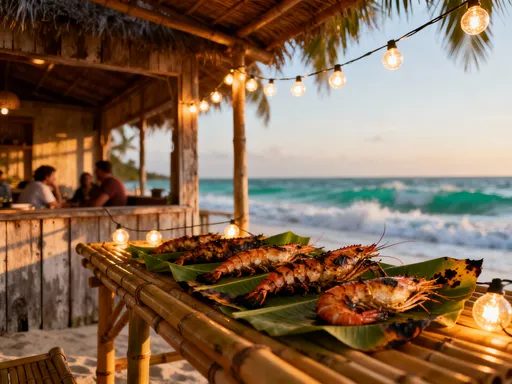
If the soul of Koh Lipe’s cuisine lives in its ingredients, its spirit thrives on the beach. Dining here isn’t confined to restaurants — it happens on sand, under bamboo roofs, with the tide lapping just meters away. As the sun begins to dip, long tables appear along the shore, lit by strings of fairy lights and flickering lanterns. Waiters weave between them, balancing trays of grilled fish, platters of prawns, and bowls of spicy papaya salad. This is where food and environment become one. The salt in the air enhances the sweetness of grilled seafood. The sound of waves sets the rhythm of the meal. There’s no need for loud music or elaborate decor — the ocean provides the ambiance. One evening, I sat at a simple wooden table just steps from the water, watching a chef grill a whole snapper over coconut husks. The fish had been caught that morning, its skin crisp and golden, flesh tender and flaky. It arrived with a wedge of lime and a small bowl of nam jim, a zesty dipping sauce made with lime juice, fish sauce, chilies, and crushed peanuts. Every bite tasted of the sea — clean, bright, and deeply satisfying. Beside it, a plate of grilled prawns, their shells charred from the fire, peeled open to reveal sweet, juicy meat. This wasn’t fine dining in the traditional sense, but it felt more meaningful — a meal shaped by place and moment.
What makes beachfront dining so special is its accessibility. These aren’t exclusive, high-priced venues — they’re open to anyone walking along the shore. Families, couples, solo travelers all share the same space, often sitting at communal tables. Children run between chairs, chasing crabs, while elders sip iced tea and watch the light fade over the water. The menu changes daily, depending on what’s fresh. One night, it might be squid stuffed with glass noodles and herbs; the next, a whole pomfret grilled with turmeric and garlic. Mango sticky rice, a beloved Thai dessert, is a constant — ripe golden mango slices served over sweet coconut rice, topped with a drizzle of warm coconut cream. It’s the perfect end to a meal, balancing richness with freshness. The pace is slow, unhurried. There’s no pressure to turn tables. Meals stretch into hours, punctuated by laughter, silence, and the occasional burst of music from a passing guitar. This style of eating — outdoors, close to nature, shared with strangers and friends alike — fosters a sense of ease that’s hard to find elsewhere. It reminds you that food is not just sustenance but celebration. And on Koh Lipe, the beach is the natural stage for that celebration. The combination of fresh ingredients, open-air settings, and genuine hospitality creates an experience that lingers long after the last bite.
Hidden Eateries – Finding Authentic Flavors Off the Path
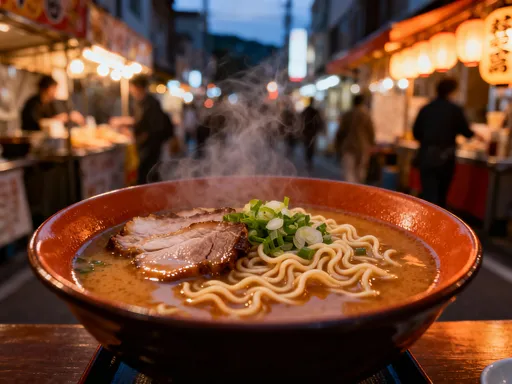
Beyond the beachfront shacks and tourist-friendly stalls lie the island’s true culinary treasures — the small, unmarked food vendors tucked along side paths and near local homes. These are the places where residents eat, where recipes are passed down through generations, and where flavor isn’t adjusted for foreign palates. One morning, I followed a narrow path inland and found a wooden cart shaded by a faded blue tarp. An elderly woman stood behind it, stirring a large pot of kuaitiao, a noodle soup made with pork or chicken broth, rice noodles, and tender slices of meat. The aroma was irresistible — a blend of star anise, garlic, and slow-simmered bones. She served the soup in a small plastic bowl, garnished with cilantro, green onions, and a wedge of lime. A side of chili vinegar sat on the counter, ready for those who wanted more heat. I sat on a low plastic stool, eating slowly, watching locals stop by on their way to work or the market. No one spoke English, but smiles were exchanged freely. This was not a performance — it was daily life.
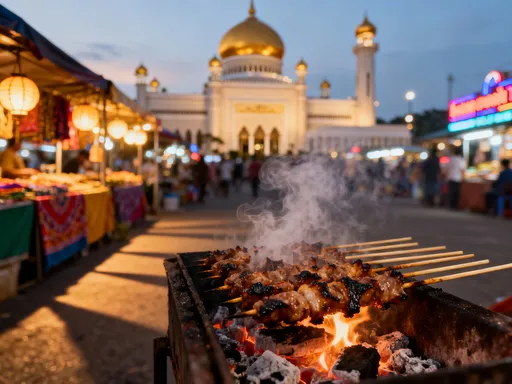
Another day, I visited a morning market near the island’s main pier. Unlike the night markets that cater to tourists with skewers and smoothies, this one was quiet, functional, and deeply authentic. Vendors sold fresh vegetables, ripe bananas, dried fish, and handmade rice cakes wrapped in banana leaves. One stall offered khao tom, a comforting rice porridge simmered with ginger, pork, and century egg. It’s a traditional breakfast dish, often eaten when someone is feeling unwell or needs something gentle on the stomach. The vendor, a middle-aged woman with sun-weathered hands, ladled the porridge into a bowl and topped it with fried garlic and chopped scallions. It was simple, nourishing, and deeply flavorful — the kind of food that feels like care. These hidden spots matter because they represent continuity. They’re not trying to impress; they’re simply feeding people. The recipes haven’t changed much in decades, and the cooking methods remain traditional — no gas stoves, just charcoal or wood fires that impart a subtle smokiness to everything. Eating at these places isn’t just about taste — it’s about connection. It’s a way to move beyond the surface of tourism and touch something real. And often, the most memorable meals are the ones you don’t plan — the ones you stumble upon while wandering, guided only by the scent of garlic and chili frying in a hot wok.
Sunset Dining Rituals – More Than Just a Meal
On Koh Lipe, dinner is not just a meal — it’s a ritual. As the sun begins its descent, the island slows. Shops close, children head home, and families gather at tables near the shore. The timing is no accident. Eating at sunset aligns with the natural rhythm of the day, when the heat fades and the breeze picks up. It’s also when the light is most beautiful — golden, soft, casting long shadows across the sand. Restaurants light candles and lanterns, creating a warm, intimate glow. Music, if present, is low — maybe a Thai folk song on a distant speaker or the gentle strum of a guitar. Conversations unfold slowly. There’s no rush. This is island time — a pace that encourages presence, reflection, and connection. One evening, I dined at a small restaurant run by a Thai-Muslim family. The menu reflected their heritage — dishes like roti, a flaky flatbread served with a rich, spiced curry for dipping, and satay, skewers of marinated beef grilled over charcoal and brushed with a sweet peanut sauce. The flavors were deep and layered, with cumin, coriander, and turmeric weaving through every bite.
What stood out wasn’t just the food but the atmosphere. The owner’s daughter brought out a tray of small dishes — pickled vegetables, sliced cucumber, and a spicy chili relish — explaining each one with quiet pride. The meal lasted over two hours, with dishes arriving gradually, allowing time to savor each one. This pacing is key to the experience. Unlike fast-paced urban dining, where meals are often rushed between appointments, here, eating is the main event. There’s no need to multitask. You’re not checking your phone or thinking about the next meeting. You’re focused on the taste, the company, the moment. And as darkness falls, the sky fills with stars, unobscured by city lights. The sound of the waves returns, louder now without daytime chatter. This kind of dining doesn’t just feed the body — it restores the spirit. It reminds you that meals can be ceremonies, that food can be a bridge between people, and that some of the best conversations happen when you’re not in a hurry. On Koh Lipe, sunset isn’t just a time of day — it’s a mindset, one that invites you to slow down, breathe, and truly taste what’s in front of you.
Food & Community – How Eating Connects You to Locals
One of the most profound aspects of eating on Koh Lipe is how it fosters connection. In a place where language can be a barrier, food becomes a universal language. I remember sitting at a night market stall, watching a woman fold spring rolls with swift, practiced hands. I pointed to one, smiling. She handed me a freshly fried roll, still warm, and mimed eating it. I took a bite — crisp outside, filled with glass noodles and vegetables, served with a sweet chili sauce. She laughed when I closed my eyes in delight. No words were needed. That small exchange, simple as it was, created a moment of genuine warmth. Later, I returned and tried to help — clumsily folding my own roll, earning more laughter. But she didn’t shoo me away. Instead, she guided my hands, showing me the right fold. That interaction wasn’t about food alone — it was about inclusion.
Another memory stands out: a fisherman offering me a young coconut he had just cracked open with a machete. We sat on the beach, sipping the sweet water as he pointed to his boat, explaining in broken English how the day’s catch had been especially good. He didn’t need to say much. His pride was evident. These moments happen frequently on Koh Lipe because food is shared so freely. Vendors offer samples. Families invite guests to try their home cooking. Even in casual interactions, there’s an openness, a willingness to connect through flavor. This hospitality isn’t performative — it’s cultural. In southern Thailand, offering food is a sign of respect, generosity, and care. It’s how people show they’re happy to have you there. For travelers, this creates a rare sense of belonging. You’re not just observing a culture — you’re participating in it. And over time, those small exchanges accumulate into something deeper — a feeling of being seen, welcomed, and remembered. Eating on Koh Lipe isn’t a solitary act; it’s a social one, woven into the fabric of daily life. Whether it’s a shared meal at a beach table or a spontaneous taste from a roadside cart, each bite becomes a thread in a larger tapestry of human connection.
Bringing Koh Lipe Home – Lessons in Simplicity and Flavor
Leaving Koh Lipe was bittersweet. The beaches were unforgettable, the sunsets breathtaking, but it was the food that stayed with me — not just in memory, but in habit. Back home, I found myself reaching for bolder spices, seeking out fresh seafood, and cooking more outdoors. The island taught me that flavor doesn’t require complexity — it requires integrity. The best dishes on Koh Lipe weren’t the most elaborate; they were the ones made with care, using ingredients at their peak. That lesson has reshaped how I approach cooking. I now prioritize quality over convenience — choosing wild-caught fish, seeking out fresh herbs, and making curry paste from scratch instead of relying on jars. I’ve learned to embrace imperfection — a slightly burnt edge on grilled fish, a soup that’s spicier than intended — because those small flaws often carry the most character.
I’ve also brought back the spirit of shared dining. I host more meals on my patio, stringing up lights and encouraging guests to eat slowly, talk freely, and savor each course. I serve dishes inspired by what I ate on the island — a simplified gaeng som with local fish, mango salad with lime and chili, sticky rice with coconut milk. These aren’t exact replicas — I don’t have access to the same ingredients — but they carry the essence of that place. More than recipes, I’ve brought home a mindset: that food is not just fuel, but a way to connect, to remember, to feel alive. Koh Lipe didn’t just change my taste buds — it changed my relationship with eating. It reminded me that every meal is an opportunity — to slow down, to appreciate, to share. And sometimes, the most transformative journeys aren’t measured in miles, but in flavors. What we eat shapes where we remember. And for me, a bite of turmeric-scented rice or a sip of fresh coconut water can still transport me back to a quiet beach, under a sky full of stars, where the sea whispered and the food spoke louder than words.