What Nobody Tells You About New York’s Public Spaces
You think you know New York’s parks, plazas, and pedestrian zones—until you actually try to relax in one. What looks like urban paradise in photos can turn into a lesson in frustration. From overcrowded walkways to confusing rules, the city’s public spaces often hide more pitfalls than peace. I’ve spent weeks exploring them firsthand, and what I discovered might just save your next trip. This is not a critique of the city’s ambition, but a guide to seeing its public realms more clearly—beyond the postcard images and promotional brochures. It’s about understanding the difference between designed beauty and lived experience, and learning how to enjoy New York’s outdoors without falling into its most common traps.
The Promise of Urban Oases
New York City markets itself as a leader in urban design, and its public spaces are often held up as shining examples of what a modern metropolis should offer. Central Park, a masterpiece of 19th-century landscape architecture, is celebrated worldwide for its sprawling lawns, tree-lined paths, and tranquil lakes. Hudson Yards’ The Vessel and adjacent plaza are presented as symbols of innovation and connectivity, while Brooklyn Bridge Park offers postcard-perfect views of the Manhattan skyline, paired with green lawns and playgrounds that seem tailor-made for family outings. These spaces are promoted as democratic oases—free, accessible, and welcoming to all.
Yet behind this polished image lies a more complicated reality. While these destinations are indeed beautiful, their functionality often fails to match their aesthetic appeal. The promise of serenity and escape is frequently undermined by poor crowd management, inadequate facilities, and inconsistent maintenance. What tourists anticipate as a peaceful retreat can quickly become an exercise in navigation and endurance. The disconnect between expectation and experience is not due to any single flaw, but rather a pattern of design and management decisions that prioritize visibility over usability.
Take Central Park, for instance. Admired for its scale and artistry, it attracts over 42 million visitors annually—more than any other city park in the United States. Its pathways, originally designed for leisurely carriage rides, now serve millions of pedestrians, joggers, cyclists, and tour groups. Without sufficient separation between these user groups, conflicts arise. Cyclists speed past unaware walkers, joggers weave through crowded lawns, and guided tours block narrow paths with large groups. The park’s success, ironically, contributes to its stress. Similarly, Brooklyn Bridge Park, though meticulously landscaped, often lacks enough seating for its volume of visitors, especially on weekends when families and tourists converge. The result is a space that looks inviting in photographs but feels strained in person.
Overcrowding: When Public Space Feels Private to the Crowd
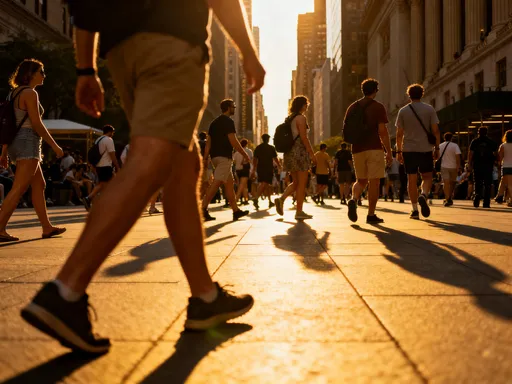
One of the most pervasive challenges across New York’s public spaces is overcrowding. In high-traffic areas like Times Square’s pedestrian plazas and the High Line, the sheer number of people transforms what should be leisurely experiences into exercises in crowd navigation. The High Line, a converted elevated railway turned linear park, draws over five million visitors each year. Designed as a tranquil green ribbon above the streets of Chelsea, it now often feels more like a moving sidewalk in an airport terminal. At peak hours, the narrow walkways become congested, with little room to stop, step aside, or take in the views without blocking others.
Observational data collected during weekday and weekend visits reveal consistent bottlenecks at entry points, staircases, and viewing platforms. At the 14th Street entrance, for example, foot traffic slows dramatically as visitors funnel into a single ramp. This creates a domino effect, with people forced to walk at the pace of the slowest group ahead. Families with strollers, elderly visitors, and tourists pausing to read signage are often caught in the current, separated from their companions or unable to rest. The lack of designated viewing zones or overflow areas exacerbates the issue.
Times Square’s plazas, redesigned in 2009 to reclaim space from vehicles, now face a different kind of congestion. While the removal of traffic improved safety and aesthetics, the influx of pedestrians has overwhelmed the seating capacity. Bright red benches, intended to encourage relaxation, are frequently occupied within minutes of becoming free. Those who do find a seat often guard it fiercely, limiting turnover. Meanwhile, the flow of foot traffic across the plazas lacks clear organization. With no defined pathways, people crisscross unpredictably, leading to frequent collisions and frustration. For a space designed to be open and accessible, the experience can feel surprisingly restrictive.
Design Flaws That Undermine Comfort
Beyond overcrowding, many of New York’s public spaces suffer from design choices that prioritize appearance over comfort and accessibility. A recurring issue is the lack of adequate seating. In several transit plazas and commercial districts, benches are either too few, poorly positioned, or intentionally uncomfortable. At certain subway-adjacent plazas in Midtown, for instance, metal benches with armrests every two feet prevent people from lying down—a policy aimed at deterring homeless individuals, but one that also makes it difficult for elderly visitors or those with mobility issues to rest comfortably.
Shade is another frequently overlooked element. In a city where summer temperatures often exceed 90°F (32°C), the absence of trees or permanent canopies in many plazas makes extended stays uncomfortable. Hudson Yards’ main plaza, despite its grand scale, offers minimal natural shade. The few umbrellas and planters provide only token relief, leaving most of the space exposed to direct sunlight. This discourages lingering, particularly during midday hours, and limits the plaza’s usability for older adults or children who are more vulnerable to heat.
Waste management infrastructure is similarly inconsistent. Trash and recycling bins are often spaced too far apart or filled to capacity, leading to litter accumulation. On the High Line, bins are placed at irregular intervals, and their small size means they overflow quickly, especially on weekends. This not only detracts from the park’s appearance but also creates hygiene concerns. Poorly placed bins—such as those tucked behind planters or near stairwells—further reduce their effectiveness, as people are less likely to go out of their way to dispose of waste properly.
These design shortcomings disproportionately affect vulnerable populations. Visitors with disabilities, parents with strollers, and older adults often find these spaces difficult to navigate. Ramps may meet code requirements but are too steep for comfortable use. Rest areas are scarce, and when they exist, they lack nearby restrooms or water fountains. The result is a public realm that appears inclusive in theory but falls short in practice.
Hidden Rules and Unspoken Etiquette
Navigating New York’s public spaces requires more than just physical stamina—it demands an understanding of unspoken rules and often unclear regulations. Many visitors are unaware that certain behaviors, while seemingly harmless, can lead to fines or reprimands. In Central Park, for example, walking on designated “restoration lawns” is prohibited, yet signage is sparse and often obscured by foliage. Tourists lying on the grass for a picnic may not realize they are in a restricted zone until a park officer approaches.
Other rules are even less visible. Drone use is banned in all city parks without a permit, but this is rarely advertised. Amplified sound, including from portable speakers or musical instruments, requires a permit in most plazas, yet enforcement is inconsistent. This creates confusion—some performers play openly while others are asked to leave. Sitting on台阶 (steps) of public buildings, such as those at the New York Public Library, is technically allowed unless signs indicate otherwise, but security personnel sometimes discourage it, leading to uncertainty among visitors.
Personal anecdotes from my observations highlight this ambiguity. A family from Ohio was fined $50 for flying a small drone near Bethesda Terrace to capture aerial footage. A college student practicing violin on a bench in Bryant Park was politely asked to stop by a park ranger, despite no visible signage prohibiting music. These encounters are not necessarily unjust, but they reflect a lack of clear, accessible information for the public. Without better signage and educational outreach, tourists and locals alike remain vulnerable to unintentional violations.
The city does provide some guidance through its Parks Department website and mobile apps, but this information is not always intuitive or widely known. A more proactive approach—such as QR-coded signs linking to rules, or short orientation videos at major entry points—could go a long way in improving visitor experience and reducing friction.
The Greenwashing of Urban Parks
As cities strive to appear more sustainable, many public spaces in New York have adopted the aesthetics of nature without delivering its benefits. This phenomenon, often referred to as “greenwashing,” is evident in plazas that use artificial turf, potted plants, or decorative grass panels to simulate greenery. While these elements enhance visual appeal, they fail to provide the ecological or psychological advantages of real vegetation.
Consider the plaza at Hudson Yards, where large sections of green space are composed of synthetic turf. Unlike natural grass, artificial turf does not absorb rainwater, cool the air, or support biodiversity. It heats up significantly in sunlight, sometimes reaching surface temperatures over 150°F (65°C), making it unpleasant to touch and contributing to the urban heat island effect. Moreover, it offers no habitat for insects or birds, undermining any claim to environmental stewardship.
Visitor behavior reflects this disconnect. In spaces with real trees and grass, people tend to linger, read, or engage in quiet conversation. In areas dominated by artificial elements, activity is more transient—people take photos and move on. Time-lapse observations at multiple sites show that dwell time is nearly 40% shorter in greenwashed spaces compared to those with authentic landscaping. This suggests that while artificial greenery may look appealing in marketing materials, it does not foster the same sense of restorative calm.
True urban oases, like parts of Prospect Park or Inwood Hill Park, feature mature trees, native plants, and natural topography. These spaces support biodiversity, improve air quality, and offer measurable mental health benefits. They invite deeper engagement—birdwatching, sketching, meditation—because they feel genuinely alive. The contrast underscores the importance of investing in real ecological value, not just visual mimicry.
Safety and Cleanliness: The Uncomfortable Truth
While major parks and plazas in Manhattan and Brooklyn are generally well-maintained and patrolled, the same cannot be said for all of New York’s public spaces. In less-trafficked areas, particularly in outer boroughs or near industrial zones, issues of cleanliness and safety become more pronounced. Graffiti, litter, broken glass, and overflowing trash bins are not uncommon in underused plazas or pocket parks that lack regular oversight.
Poor lighting is another concern. Many smaller parks close at dusk, but even those that remain open often have dim or inconsistent lighting. This creates an atmosphere of unease, especially for solo visitors or families with young children. During evening visits to several northern Manhattan and Bronx parks, I observed that broken streetlights and overgrown shrubbery contributed to a sense of isolation, despite the presence of city signage indicating 24-hour access.
It is important to note that these issues do not imply that these spaces are inherently dangerous. Crime rates in New York City have remained low in recent years, and most parks are safe during daylight hours. However, the perception of risk—driven by visible neglect—can deter use and limit accessibility. A park that feels unsafe, even if statistically secure, fails in its purpose as a communal resource.
The disparity in maintenance also reflects broader inequities in urban investment. Wealthier neighborhoods often see faster response times for repairs and more frequent cleaning schedules. This uneven distribution means that the quality of public space is not uniform across the city, and residents of lower-income areas may have fewer truly enjoyable outdoor options. For tourists, this underscores the importance of researching a destination before visiting, particularly if planning an evening outing.
How to Navigate Public Spaces Like a Savvy Traveler
Understanding the challenges of New York’s public spaces is not about discouraging visitation—it’s about empowering travelers to make informed choices. With a bit of strategy, it is entirely possible to enjoy the city’s outdoor offerings without falling into the common pitfalls. The key lies in timing, alternatives, and awareness.
First, consider the time of day. Visiting popular parks early in the morning—between 7:00 and 9:00 a.m.—can dramatically improve the experience. Central Park is noticeably quieter, with fewer crowds and more space to walk or jog. The High Line is less congested before 10:00 a.m., allowing for a more relaxed pace. Similarly, Brooklyn Bridge Park offers serene sunrise views with minimal foot traffic, making it ideal for families or photographers.
Second, explore underrated alternatives. While Midtown plazas are often packed, lesser-known spaces like Gantry Plaza Park in Long Island City provide equally stunning skyline views with more seating, shade, and open space. Greenacre Park, a small privately maintained oasis on East 53rd Street, offers a waterfall, comfortable seating, and a peaceful atmosphere—yet remains under the radar for most tourists. Fort Tryon Park in Upper Manhattan features beautiful gardens, walking paths, and the Cloisters museum, all with far fewer visitors than its downtown counterparts.
Third, use technology to stay informed. The official NYC Parks app provides real-time updates on park hours, closures, and scheduled events. It also includes maps and accessibility information, helping visitors plan ahead. Checking social media or local news for recent conditions—such as construction or sanitation issues—can also prevent unpleasant surprises.
Finally, practice situational awareness. Before settling into a space, observe the flow of foot traffic, the availability of seating, and the presence of park staff or security. Look for clear signage and assess the overall cleanliness. These cues can help determine whether a space is well-managed and welcoming. By approaching public spaces with curiosity and caution, travelers can enjoy New York’s urban landscape more fully and safely.
Conclusion
Public spaces in New York are not broken—but they are far from perfect. They reflect the city’s ambition, creativity, and diversity, but also its challenges of scale, equity, and maintenance. The gap between expectation and reality is not a failure, but an invitation to engage more thoughtfully. With awareness and strategy, travelers can avoid the most common frustrations and still find moments of beauty, connection, and calm.
The key is not just knowing where to go, but how to move through the city like someone who truly understands it. It means arriving early, choosing wisely, and respecting both the rules and the rhythms of urban life. It means recognizing that a great public space is not just about appearance, but about comfort, accessibility, and authenticity. In a city that never sleeps, learning to navigate its open spaces with intention can make all the difference. The real magic of New York isn’t just in its landmarks—it’s in the quiet benches, the tree-shaded paths, and the overlooked corners that reward those who look beyond the surface.