You Won’t Believe How Fukuoka’s Food Culture Changed My Trip
Fukuoka isn’t just another stop in Japan—it’s a flavor explosion waiting to happen. I went for the sights but stayed for the food, completely unprepared for how deeply cuisine shapes daily life here. From steaming bowls of tonkotsu ramen at midnight stalls to quiet mornings with matcha and local sweets, every bite tells a story. This is more than eating—it’s culture on a plate. The city pulses with a rhythm defined not by grand monuments or tourist itineraries, but by the sizzle of grills at riverside food carts, the quiet hum of morning markets, and the warmth of shared meals under paper lanterns. In Fukuoka, food is not an afterthought—it is the heart of connection, identity, and belonging.
First Impressions: A City That Lives to Eat
From the moment you step off the train at Hakata Station, Fukuoka greets you with an unmistakable aroma—smoky, savory, and deeply inviting. It’s the scent of something grilled over charcoal, mingled with the rich perfume of pork broth simmering for hours. Unlike larger, more formal Japanese cities such as Tokyo or Kyoto, where dining can feel refined and reserved, Fukuoka’s food culture is immediate, accessible, and communal. There’s no barrier between the kitchen and the street; instead, food spills out into alleys, riverbanks, and market lanes, becoming part of the city’s daily breath.
The city’s coastal location on the northern shore of Kyushu has long shaped its culinary identity. Surrounded by the sea and nestled near fertile farmlands, Fukuoka has always had access to fresh ingredients. Historically, it served as a gateway between Japan and continental Asia, particularly Korea and China, allowing for a rich exchange of flavors and techniques. This cross-cultural influence is still visible today, not in grand museums, but in the way a bowl of ramen carries a depth of flavor that feels both distinctly Japanese and subtly international. The port city’s openness to trade fostered a food culture that values boldness, simplicity, and generosity.
What stands out most is how food is woven into the urban fabric. The city is compact, walkable, and designed around human-scale experiences. Neighborhoods like Tenjin and Nakasu are lined with narrow lanes where tiny restaurants fit just a handful of seats, yet they draw lines of locals who know exactly where to find the best grilled skewers or handmade gyoza. There’s no need for flashy signage—reputation spreads by word of mouth, and loyalty is earned through consistency and care. This intimacy creates a sense of trust between eater and cook, where every meal feels personal, even when shared among strangers.
Fukuoka’s residents don’t just eat to survive—they eat to connect. Meals are rarely rushed. Even quick lunches at standing noodle bars carry a sense of ritual. The pace of life here allows space for savoring, for lingering over a cup of green tea after a meal, for exchanging a few words with the vendor who’s served you for years. This balance of efficiency and mindfulness makes dining in Fukuoka not just a necessity, but a meaningful pause in the day. It’s a city where food isn’t hidden behind closed doors—it’s on display, celebrated, and shared.
Ramen at the Heart: More Than Just Noodles
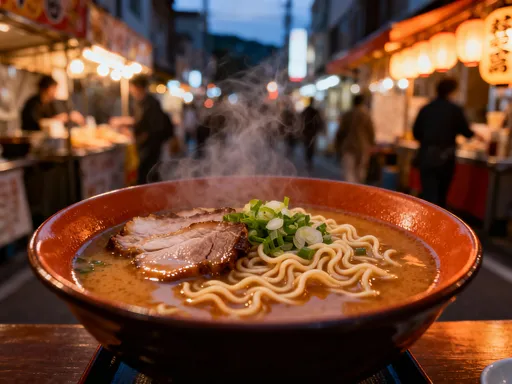
If Fukuoka has a culinary emblem, it is tonkotsu ramen—creamy, pork-based broth served with thin, springy noodles and topped with tender chashu pork, wood ear mushrooms, and a soft-boiled egg. This dish isn’t just popular; it’s foundational. Originating in the Hakata district, tonkotsu ramen is the result of generations of refinement, where pork bones are boiled for up to 18 hours until the liquid transforms into a velvety, ivory-colored soup that clings to the noodles. The flavor is rich but not heavy, deeply umami with a clean finish that invites another bite—and another.
What makes Hakata-style ramen unique is not only its taste but its culture. Many ramen shops operate on a ticket-based system, where customers purchase a meal voucher from a machine before sitting down. This streamlines service, allowing for quick turnover without sacrificing quality. Equally distinctive is the practice of kaedama—ordering extra noodles to add to your broth once the first serving is finished. It’s a small gesture, but one that reflects the local philosophy: good food should be savored, and if you’re enjoying it, why stop? This custom turns a simple meal into a personalized experience, shaped by the diner’s appetite and pace.
Ramen in Fukuoka is more than sustenance—it’s a point of pride. Locals often debate the merits of different shops, not with arrogance, but with affection. Some swear by a decades-old stall in a back alley, while others champion a modern ramen stadium with multiple vendors under one roof. These stadiums, such as the one in Canal City Hakata, allow visitors to sample various styles side by side, offering both convenience and education. Yet, the soul of ramen remains in the small, family-run shops where the owner knows your usual order and the broth is made fresh every morning.
The cultural significance of ramen extends beyond taste. It’s a unifier—equally beloved by salarymen on a lunch break, students pulling all-nighters, and families celebrating small victories. A bowl of ramen can mark the end of a long day or the beginning of a night out. It’s affordable, satisfying, and deeply comforting. In a world where food trends come and go, tonkotsu ramen endures because it speaks to something fundamental: the human need for warmth, nourishment, and connection. In Fukuoka, this humble dish is not just eaten—it’s honored.
Yatai Culture: Nightlife on a Plastic Stool
As dusk falls along the Nakagawa River, Fukuoka undergoes a quiet transformation. Metal shutters roll up, lanterns flicker to life, and long rows of yatai—mobile food carts—emerge like floating islands of flavor. These unassuming stalls, often no larger than a small kitchen, are the soul of the city’s nightlife. Each one is a self-contained world: a chef, a grill, a few plastic stools, and a menu written in chalk or scrawled on a sign. Here, locals gather after work, tourists stumble upon hidden gems, and conversations flow as freely as the beer and sake.
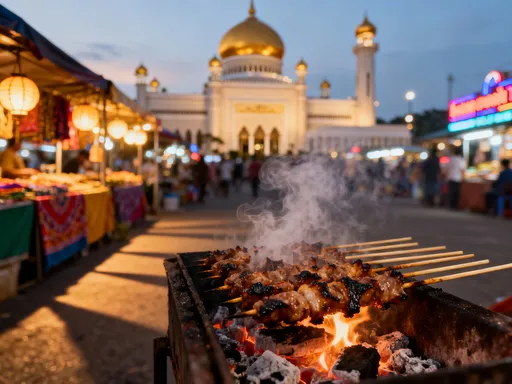
Yatai are more than restaurants—they are social spaces. Unlike formal dining establishments, they have no walls, no reservations, and no pretense. Seating is communal, often shared with strangers who become temporary companions over a plate of grilled chicken skewers or a bowl of oden, a comforting stew of fish cakes, daikon, and boiled eggs. The atmosphere is relaxed, even intimate, lit by the warm glow of paper lanterns and the occasional flicker of a gas flame. There’s a rhythm to the evening: the clink of glasses, the sizzle of food on the grill, the low hum of laughter and conversation.
Each yatai specializes in a few dishes, passed down through years of practice. Some focus on mentaiko, the spicy cured cod roe that Fukuoka is famous for, served over rice or mixed into pasta. Others specialize in yakitori, where every part of the chicken—from the heart to the skin—is grilled to perfection. The chefs are often the owners, working alone or with a single helper, their hands moving with the precision of artisans. Many have been running the same stall for decades, serving generations of customers who return not just for the food, but for the familiarity.
What makes yatai truly special is their impermanence. They appear each evening and disappear by dawn, leaving behind only the memory of shared meals and fleeting connections. This transience gives them a sense of magic, as if they exist in a different time—one where life slows down and the simple act of eating becomes a celebration. In other Japanese cities, yatai have largely disappeared due to regulations and urban development, but in Fukuoka, they are protected and cherished. The city government recognizes their cultural value, allowing them to operate in designated zones along the river. For visitors, sitting on a plastic stool at a yatai isn’t just a meal—it’s an invitation into the heart of local life.
Markets That Tell Stories: From Yanagibashi to Local Stalls
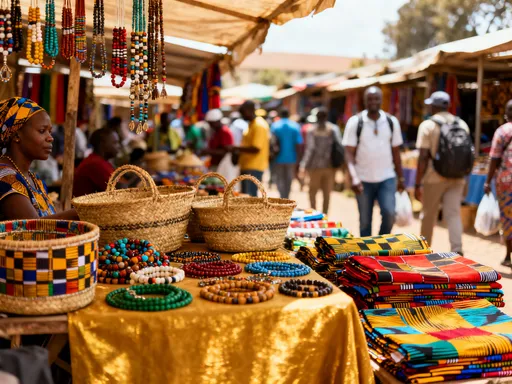
While restaurants and yatai offer curated experiences, Fukuoka’s markets reveal the everyday rhythm of food life. Among them, Yanagibashi Market stands as a cornerstone of the city’s culinary ecosystem. Spanning several blocks near the Naka River, it is not a tourist spectacle but a working marketplace where locals shop with intention and care. Open since the early 20th century, Yanagibashi is a blend of tradition and vitality, where fishmongers shout prices, vegetable vendors arrange seasonal produce with artistic precision, and elderly women haggle over the price of fresh shiitake mushrooms.
The market is divided into sections: seafood, produce, dry goods, and prepared foods. The fish section is particularly impressive, with glistening mackerel, plump scallops, and whole squid laid out on beds of ice. Many of the vendors are third- or fourth-generation fishmongers, their families having worked in the market for decades. They know their customers by name, recommend the best cuts for tonight’s dinner, and wrap purchases in newspaper with practiced efficiency. Trust is paramount—there are no price tags, just an understanding that quality speaks for itself.
What makes Yanagibashi more than just a place to shop is its role as a cultural archive. Recipes are exchanged between stalls, techniques are passed down through apprenticeships, and seasonal shifts are marked by the arrival of certain ingredients—sweet corn in summer, persimmons in autumn, fresh bonito in spring. The market moves with the calendar, reflecting a deep respect for nature’s cycles. It’s not uncommon to see a grandmother teaching her granddaughter how to pick the ripest melon or a chef bargaining for the last box of wild mushrooms.
Beyond Yanagibashi, smaller neighborhood markets and morning stalls offer similar experiences on a more intimate scale. These spaces are where Fukuoka’s food culture is lived, not performed. There are no English menus, no Instagram-friendly displays—just real food, real people, and real conversations. For the curious traveler, spending a morning here is one of the most authentic ways to understand the city. It’s a place where taste and trust go hand in hand, where food is not a commodity but a connection.
Beyond Ramen: The Underrated Bites That Shine
While tonkotsu ramen may be Fukuoka’s most famous export, the city’s culinary depth lies in its lesser-known dishes. These are the foods locals eat when they’re not standing in line for noodles—dishes that reflect regional values of resourcefulness, bold flavor, and seasonal awareness. One such dish is motsunabe, a hotpot made with beef or pork offal, simmered in a spicy miso or soy-based broth with cabbage, garlic chives, and tofu. It may sound adventurous to some, but in Fukuoka, it’s comfort food—warming, hearty, and deeply satisfying after a long day.
Motsunabe embodies the mottainai philosophy—a Japanese principle of avoiding waste. By using parts of the animal that might otherwise be discarded, the dish honors the life of the creature and maximizes flavor. It’s typically shared among friends or family, cooked at the table and enjoyed with beer or shochu, a distilled spirit popular in Kyushu. The communal nature of the meal reinforces bonds, turning dinner into an event. Even the final step—adding noodles or rice to the remaining broth—ensures nothing is wasted, creating a second course that’s just as beloved as the first.
Another standout is mentaiko, salted and marinated pollock roe, often seasoned with chili pepper to give it a fiery kick. Fukuoka’s proximity to the sea makes it a prime location for seafood preservation, and mentaiko has become a symbol of the city’s coastal identity. It’s eaten plain over rice, mixed into pasta, or stuffed into onigiri (rice balls). Some specialty shops offer dozens of varieties, from mild to extra spicy, each with its own devoted following. The process of making mentaiko is labor-intensive, requiring careful curing and seasoning, but the result is a burst of umami and heat that lingers on the palate.
And then there’s melon pan—a sweet, crisp-topped bun that looks like a melon but tastes like buttery vanilla cake. In Fukuoka, bakeries often put a local twist on it, adding black sesame, red bean paste, or even matcha cream. It’s the kind of snack that appears in lunchboxes, pairs perfectly with coffee at a kissaten, or serves as a midday treat for children walking home from school. These smaller bites, often overlooked by guidebooks, are where Fukuoka’s true food spirit shines—not in spectacle, but in daily practice, in the quiet moments when flavor meets tradition.
The Rhythm of Eating: How Time Shapes Flavor
In Fukuoka, food is not just what you eat, but when and how you eat it. The day unfolds in a natural culinary rhythm, shaped by work, weather, and habit. Mornings often begin at a kissaten, a traditional Japanese café where slow-brewed coffee is served in heavy ceramic cups, accompanied by a small dish of pickles or a butter roll. These cafes are quiet sanctuaries, where retirees read newspapers, students study, and office workers ease into the day. The pace is deliberate, the atmosphere calm—a contrast to the fast-paced coffee culture found elsewhere.
Lunch is a different story. With many workers on tight schedules, efficiency is key. Standing noodle bars, known as tachigui, offer quick, satisfying meals without the need for a table. Customers line up, order ramen or soba, eat while standing at a counter, and leave within minutes. Yet even in this speed, quality is not compromised. Broths are fresh, noodles are handmade, and service is swift but courteous. It’s a testament to Fukuoka’s ability to balance convenience with care—proof that fast food doesn’t have to mean low quality.
Evenings belong to the yatai and home cooking. After work, many locals head to the riverfront for a drink and a snack, turning dinner into a social affair. Others return home to meals prepared with ingredients from the morning market—grilled fish, miso soup, pickled vegetables, and steamed rice. Weekends might include a family outing to a specialty restaurant or a visit to a local festival featuring regional street food. The rhythm is consistent, grounded in routine, yet flexible enough to allow for spontaneity.
This daily structure reflects a deeper philosophy: that eating should be integrated into life, not isolated from it. Meals are not distractions but anchors—moments to pause, connect, and recharge. In a world that often glorifies busyness, Fukuoka’s approach is a quiet rebellion, reminding us that nourishment is not just physical, but emotional and social. The city’s food rhythm isn’t about rigid rules; it’s about harmony—between speed and slowness, tradition and innovation, solitude and community.
Preserving Taste: Challenges and Hopes for the Future
Despite its vibrancy, Fukuoka’s food culture faces real challenges. The number of yatai has declined over the past few decades, from over 400 in the 1980s to fewer than 100 today. Many aging owners have no successors, and younger generations are often drawn to more stable, less physically demanding careers. Rising costs, strict regulations, and changing urban lifestyles further threaten these beloved institutions. Similar pressures affect family-run ramen shops and market vendors, where long hours and modest profits make succession difficult.
Yet there is hope. The city of Fukuoka has taken steps to protect its culinary heritage. In 2015, it designated yatai as an intangible cultural asset, recognizing their social and historical value. Financial support, simplified licensing, and promotional campaigns have helped sustain existing stalls and encouraged new ones. Some younger entrepreneurs are reimagining the yatai model, combining traditional recipes with modern branding and digital tools, such as online reservations or social media marketing.
Apprenticeship programs and culinary schools in Kyushu are also playing a role, training the next generation in traditional techniques while adapting to contemporary tastes. Events like the Fukuoka Ramen Show and local food festivals celebrate heritage while attracting new audiences. Even schools are getting involved, teaching children about regional ingredients and cooking methods, fostering appreciation from an early age.
These efforts reflect a growing awareness that food culture is not static—it must evolve to survive. But evolution does not mean losing authenticity. The goal is not to turn yatai into theme park attractions, but to ensure they remain living, breathing parts of the community. It’s about passing down not just recipes, but values—respect for ingredients, pride in craft, and the belief that a shared meal can strengthen a city’s soul.
Final Bite: Why Food Is Fukuoka’s True Language
As my trip came to an end, I realized that I hadn’t just eaten my way through Fukuoka—I had learned to speak its language. The city doesn’t communicate through grand gestures or loud attractions. It speaks in the steam rising from a ramen bowl, in the smile of a yatai chef who remembers your order, in the quiet pride of a fishmonger who hands you the day’s freshest catch. To understand Fukuoka, you don’t need a guidebook—you need a fork.
Food here is more than flavor; it’s a bridge between past and present, between strangers and friends, between visitor and local. It offers a kind of belonging that transcends language barriers. Sitting on a plastic stool by the river, sharing a plate of grilled skewers with people whose names I’ll never know, I felt a sense of connection that no museum or monument could provide. In a world that often feels rushed and disconnected, Fukuoka reminds us that the simplest meals can hold the deepest meaning.
Protecting this culture matters—not just for Fukuoka, but for all of us who believe in authentic human experiences. When we support local vendors, when we take the time to learn a dish’s story, when we sit down and truly savor a meal, we become part of something larger. We honor tradition. We build community. We keep alive the belief that food is not just fuel, but a way of being.
So the next time you plan a trip, don’t just ask where to go—ask what to eat. Let the flavors guide you. Let the market vendors, the ramen chefs, the yatai cooks be your teachers. In Fukuoka, every bite is an invitation—to slow down, to connect, to belong. And in that invitation lies the true magic of travel.