Wheels, Waves, and Wild Flavors: A Rhodes Road Trip You Can’t Un-Taste
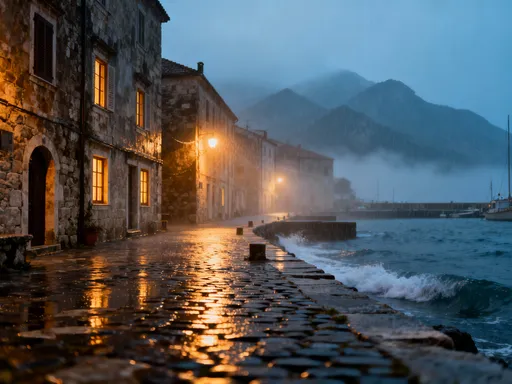
Driving through Rhodes isn’t just about getting from point A to B—it’s a full sensory ride. With the Aegean wind in your hair and a playlist of island vibes, every twist in the coastal road reveals something new: a hidden taverna, a cliffside view, or a plate of food that tastes like centuries of history. I hit the open road to uncover Rhodes’ most authentic dining moments—where locals eat, laugh, and live. This is more than a trip; it’s a delicious dive into Greek soul. Rhodes, the largest of the Dodecanese islands, offers a rare blend of ancient heritage, natural beauty, and culinary depth that unfolds best at the pace of a self-guided drive. Away from crowded tour buses and fixed itineraries, the open road becomes a gateway to intimacy—with landscapes, with traditions, and with flavors that linger long after the journey ends.
Why Rhodes by Car? Freedom Meets Discovery
Exploring Rhodes by car transforms the island from a checklist of sights into a living, breathing experience. Public transportation on Rhodes is functional but limited, often connecting only major towns and resorts. For travelers seeking authenticity, this can mean missing the soul of the island—the family-run meze tavernas tucked into olive groves, the village baker pulling loaves from a wood-fired oven at dawn, or the shepherd offering fresh cheese beside a mountain trail. A rental car removes these barriers, granting access to remote corners where daily life unfolds undisturbed by mass tourism. The island’s road network is well-maintained, with clear signage and manageable distances—Rhodes Town to the southern tip of Lindos is just over an hour, while the mountain villages of the interior are only a winding 45-minute climb from the coast.
What makes driving in Rhodes especially rewarding is the freedom to respond to curiosity. Spot a hand-painted sign for "fresh thyme honey" on a side road? Follow it. Notice a cluster of locals gathering in a village square for a midweek festival? Park and join in. These unplanned moments often lead to the most memorable meals. One traveler might find themselves at a roadside stall in Monolithos, where an elderly couple serves warm pita stuffed with sautéed greens and feta, while another discovers a hidden kafeneio in Laerma, where men sip strong coffee and discuss the harvest over backgammon. These encounters are not staged for tourists; they are part of the island’s rhythm, accessible only to those who move at their own pace.
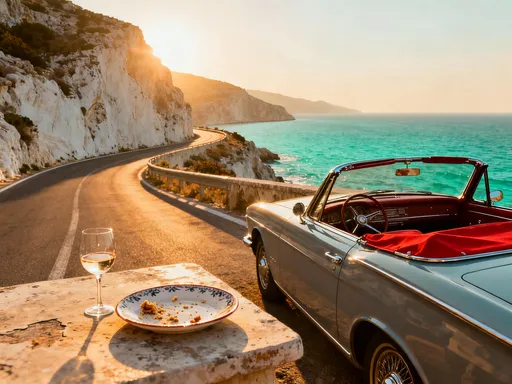
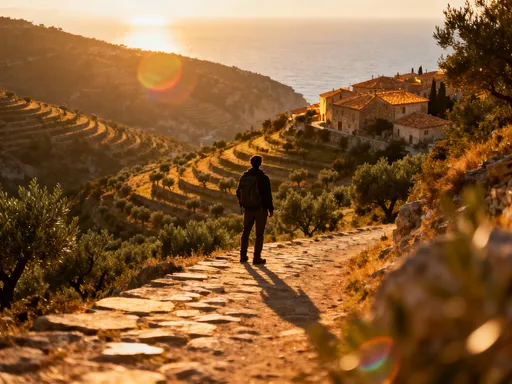
The driving experience itself is part of the journey. Coastal highways like the one linking Faliraki to Kolymbia offer panoramic sea views, with turquoise coves appearing around every bend. Inland routes, such as the road to Salakos, climb through terraced hillsides dotted with carob trees and stone chapels. Even the act of navigating—reading signs in Greek and English, mastering roundabouts in Rhodes Town, learning to park on narrow village streets—adds a layer of engagement that deepens connection to the place. With a compact, fuel-efficient car and a reliable offline map, visitors can explore with confidence, knowing they’re never far from a new discovery. This blend of ease and adventure makes self-driving not just convenient, but essential for a truly immersive Greek island experience.
The Road Less Traveled: Hidden Food Villages Off the Beaten Path
Beyond the sun-drenched beaches and ancient ruins, Rhodes’ culinary heart beats strongest in its inland villages. Places like Apollona, Salakos, Embonas, and Siana are not postcard-perfect in the polished way of tourist hubs, but they offer something more valuable: continuity. These hilltop communities have preserved food traditions for generations, where recipes are passed down orally, ingredients are hyper-local, and meals are tied to the seasons. A car allows travelers to reach these villages during moments of culinary vibrancy—weekly farmers’ markets, religious festivals, or family celebrations—when the island’s authentic flavors are on full display.
In Apollona, nestled in the island’s northwest, the aroma of slow-cooked lamb fills the air every August during the Panigiri of Agios Panteleimon. The entire village gathers in the central square, where long tables are set under string lights and women in aprons serve dish after dish from communal kitchens. Dakos salad—creaky barley rusk topped with tomato, feta, and oregano—is a staple, as are stuffed tomatoes and zucchini flowers. But the highlight is the lamb, roasted for hours in a wood-fired pit, its juices mingling with wild herbs like mountain tea and thyme. Visitors are welcomed not as customers, but as guests. There’s no menu, no prices listed—just plate after plate offered with a smile. These festivals are not staged performances; they are real expressions of community life, made possible by the freedom to arrive when the celebration begins and stay as long as the wine flows.
Other villages offer quieter, equally profound experiences. In Salakos, known for its citrus groves, drivers can stop at family-run stalls selling blood oranges, bergamot, and homemade marmalades. Some homes double as informal tasting rooms, where visitors sample citrus-infused raki or spoon sweets made from quince and rose petals. Embonas, meanwhile, is famous for its wine. Small wineries open their doors to passing travelers, offering tastings of local varietals like Athiri and Mandilaria, often paired with grilled sardines or zucchini balls. These moments of spontaneous hospitality are rare in more tourist-heavy areas, but they thrive in the island’s interior—accessible only by those willing to drive beyond the coast.
The key to unlocking these experiences is timing. While Rhodes’ coastal resorts buzz with activity from June to September, many inland villages slow down in peak summer, with residents retreating to cooler mountain homes. The best times to visit are late spring (May–June) and early autumn (September–October), when temperatures are mild, local produce is abundant, and festivals are frequent. A rental car allows travelers to align their itinerary with these rhythms, turning a simple drive into a journey through the island’s agricultural and culinary calendar. Whether it’s joining a grape harvest in October or tasting freshly pressed olive oil in November, these moments connect visitors not just to food, but to the land and people who make it possible.
Coastal Cruising: Seaside Tavernas with a View
The eastern and southern coasts of Rhodes are lined with family-owned tavernas that embody the Greek philosophy of food as celebration. Unlike the chain restaurants near resort zones, these seaside spots are often run by the same family for decades, where the owner greets guests like relatives and the cook—usually a grandmother or aunt—decides the menu based on what’s fresh. Driving along the coast allows travelers to time their arrival perfectly, avoiding the lunchtime rush and securing a table just as the sun begins its descent, painting the sky in shades of rose and gold.
In the quieter coves near Lindos, away from the main village square, small tavernas cling to rocky outcrops, accessible only by narrow roads or steep footpaths. One such spot, perched above a hidden beach near Agios Pavlos, serves grilled octopus so tender it melts on the tongue, marinated in olive oil, lemon, and wild oregano. Another, in the fishing village of Agios Efstratios, offers saganaki—a fried cheese bathed in honey and sesame seeds—that crackles with heat the moment it hits the plate. These dishes are not just meals; they are rituals, meant to be shared slowly with a carafe of local wine and a plate of marinated olives.
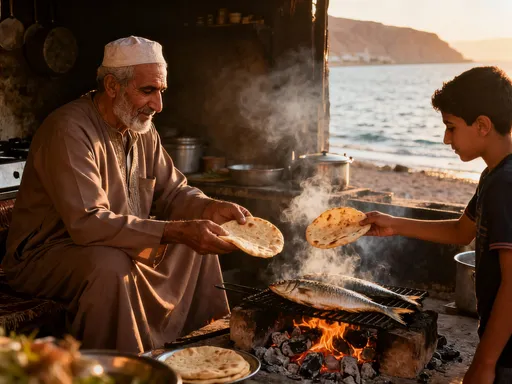
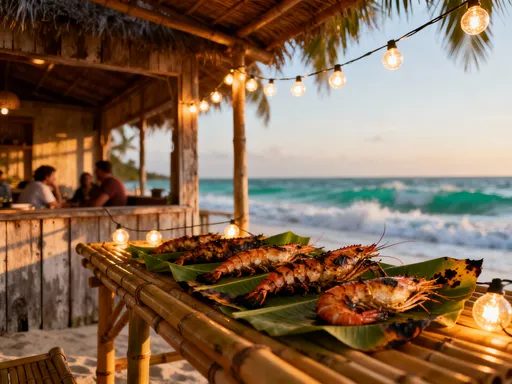
What sets these tavernas apart is their connection to the sea. Many owners are fishermen who sell their morning catch directly to the kitchen. This means the menu changes daily, depending on what was hauled in at dawn. On a good day, you might find fresh sea bream, grilled with lemon and capers, or red mullet stuffed with herbs and baked in parchment. Even the simplest dishes—like fried calamari or garlic shrimp—taste extraordinary because the ingredients are hours, not days, from the water.
For drivers, the advantage is control. Instead of relying on crowded boat tours or infrequent buses, you can leave Rhodes Town at 4 p.m., drive south, and arrive at a seaside taverna by 6:30—just in time for golden hour and the first round of meze. The ritual of ouzo with small plates—dolmades, tzatziki, fried zucchini—becomes a bridge between day and night, a moment to reflect on the journey while the waves lap below. And because you’re not tied to a schedule, you can linger, order a second glass, and watch the stars emerge over the Aegean. This rhythm—of driving, arriving, eating, and staying—creates a sense of ease that is central to the Greek way of life.
Mountain Highs: Dining in Rhodes’ Rugged Interior
As the road climbs from the coast into the island’s interior, the air cools and the landscape shifts. Terraced fields give way to dense pine forests, and stone villages appear like sentinels on rocky ridges. This is the domain of Mount Attavyros, Rhodes’ highest peak, where traditional mountain cuisine reflects a life shaped by elevation and isolation. Here, meals are heartier, flavors deeper, and ingredients foraged or raised locally. Driving into this region opens access to a different kind of Greek food—one built for warmth, sustenance, and celebration of the wild.
Rustic inns, known locally as *kafenions* or *tavernas tis vrisis*, serve dishes rarely seen on the coast. Game meats like wild boar or rabbit, slow-cooked with red wine and onions, are specialties in winter. In spring, the focus turns to wild greens—stamnagathi (a bitter green similar to dandelion), vlita (amaranth), and wild asparagus—sautéed with garlic and olive oil or baked into savory pies. Mountain cheeses, made from goat or sheep milk and aged in cool stone cellars, are served with honey from local hives, where bees feed on thyme and pine resin, giving the honey a distinctive, herbal tang.
One of the most unique delicacies is snails, a traditional Lenten dish in many Greek mountain villages. In places like Salakos and Embonas, snails are collected after the spring rains, cleaned, and cooked in a rich sauce of tomato, rosemary, and vinegar. The flavor is earthy and complex, a far cry from the fast-food versions found in cities. Artichoke stews, simmered with potatoes and lemon, are another seasonal favorite, especially in April and May when the tender hearts are at their peak. These dishes are not just food—they are acts of preservation, keeping alive ways of eating that have sustained families for centuries.
Driving through these villages often leads to unexpected invitations. A woman hanging laundry might wave you down to taste her homemade tsipouro, a strong grape-based spirit. A shepherd on a hillside may gesture for you to try fresh cheese wrapped in vine leaves. These moments of generosity are not for sale; they are part of a culture that values hospitality above profit. And because these villages are small and remote, they remain untouched by mass tourism. A compact car is ideal for navigating the narrow, cobbled lanes, and a sense of patience helps when finding parking in the central square. But the reward—a meal shared with locals, a view of the island stretching to the horizon, the sound of church bells echoing through the valley—is unmatched.
Urban Bites: Rhodes Town’s Old-World Flavors
Rhodes Town, with its medieval walls and Ottoman-era streets, offers a culinary experience that blends history, spice, and family tradition. As night falls, the Old Town comes alive with the scent of grilling meat, simmering stews, and sweet pastries. A rental car allows visitors to park just outside the walls and step into a labyrinth of narrow alleys where generations-old tavernas serve dishes rooted in centuries of cross-cultural exchange. This is where Greek, Turkish, and Italian influences merge into a cuisine that is both familiar and surprising.
One must-try dish is stuffed eggplant—baked with a filling of minced meat, rice, pine nuts, and cinnamon, then topped with a creamy béchamel sauce. The blend of savory and sweet reflects the island’s Ottoman past, where spices like cinnamon and allspice were staples. Another specialty is *loukoumia*, or Turkish delight, often flavored with rosewater, mastic, or citrus and dusted with powdered sugar. These treats are sold in family-run shops that have operated for over a century, some still using copper kettles and wooden molds.
The evening meal in Rhodes Town is more than dinner—it’s a social event. Families gather at outdoor tables, children play in the squares, and musicians sometimes perform in the courtyards. Tavernas like those in the Street of the Knights or near the Old Market serve *giouvetsi*, a baked pasta dish with meat and tomato sauce, cooked in a clay pot and infused with oregano and garlic. Seafood lovers can find grilled octopus, shrimp saganaki, and baked calamari in waterfront spots along the Mandraki Harbor.
What makes dining here special is the atmosphere. The stone walls absorb the day’s heat and release it slowly, creating a gentle warmth even after sunset. The sound of church bells, the flicker of candlelight, the clink of glasses—all contribute to a sense of timelessness. And because you have a car, you can linger without worrying about transportation. After dinner, a slow drive back through the countryside, with the stars clear above and the scent of jasmine in the air, extends the magic of the evening. This blend of urban charm and rural tranquility is unique to Rhodes, and only fully accessible to those who drive.
Practical Tips: Navigating Roads, Parking, and Peak Times
While driving in Rhodes is generally straightforward, a few practical considerations ensure a smooth and enjoyable experience. First, choose the right vehicle. A compact car is ideal for navigating narrow village streets and tight parking spots, especially in places like Lindos or the Old Town of Rhodes. Air conditioning is essential, particularly in July and August when temperatures can exceed 35°C (95°F). Automatic transmission is increasingly available and recommended for those unfamiliar with manual driving.
Navigation is easier with offline maps. Google Maps works well, but downloading the island map in advance ensures access in areas with weak signal, especially in mountainous regions. Road signs are bilingual (Greek and English), and major routes are well marked. There are no toll roads on Rhodes, so fuel costs are the main expense. Gas stations are available in all major towns and along main highways, but it’s wise to refill when passing through larger villages, as remote areas may have limited access.
Parking etiquette varies. In coastal resorts, paid lots are common, and rates are posted clearly. In villages, free parking is often available in central squares or along side streets, but spaces are small and sometimes angled. Always avoid blocking driveways or private gates. In popular areas like Lindos, arriving early or late helps avoid congestion—many travelers head to the beach at 10 a.m. and return by 3 p.m., leaving the late afternoon relatively quiet.
When it comes to dining, timing is everything. Tourist-heavy tavernas often serve the same reheated dishes all day, but family-run spots cook fresh meals twice daily—lunch from 1–3 p.m. and dinner from 8–10 p.m. Arriving at 7:30 p.m. or 10:30 p.m. can mean a quieter experience, more attention from staff, and food cooked to order. Similarly, visiting inland villages on weekdays avoids weekend crowds, while attending a local festival on a saint’s day offers a chance to eat like a local. These small adjustments, made possible by self-driving, transform a good trip into a great one.
The Taste of Freedom: Why This Journey Stays With You
A road trip through Rhodes is more than a way to see the island—it’s a way to feel it. Each turn of the wheel brings a new flavor, a new face, a new moment of connection. Meals are no longer just sustenance; they become stories. The taste of honey drizzled over warm yogurt in a mountain village. The sound of laughter shared over ouzo in a seaside square. The sight of an old woman rolling grape leaves in the shade of a fig tree. These are the moments that stay with you, long after the rental car is returned and the suitcase unpacked.
Driving fosters a sense of self-reliance and discovery. There’s confidence in knowing you can follow a hunch, stop at a roadside stall, or change plans based on a local’s suggestion. This independence deepens the relationship with the place, turning sightseeing into living. You’re not just observing culture—you’re participating in it. And because food is at the heart of Greek life, every meal becomes a bridge to understanding.
What lingers most is the kindness. The unspoken welcome in a village taverna. The extra slice of cake offered “just because.” The wave from a farmer as you pass by. These gestures, small and genuine, reflect a way of life that values connection over commerce. A road trip through Rhodes doesn’t just feed the body—it nourishes the spirit. It reminds us that the best journeys are not measured in miles, but in moments of shared humanity, captured one plate at a time. And when you drive, you don’t just visit the island—you become part of its story, even if only for a week. That is the true taste of freedom.