You Won’t Believe These Hidden Wonders at Mount Cook
I’ve been to a lot of places, but nothing prepared me for the raw beauty of Mount Cook. It’s not just New Zealand’s highest peak—it’s a gateway to untouched alpine magic. Hidden lakes with milky blue water, stargazing so clear you feel like you’re in space, and trails that lead to views most tourists never see. This is nature at its most honest. If you're chasing real, quiet wonder, this place will blow your mind.
The First Glimpse: Arriving at Mount Cook Valley
As travelers approach Mount Cook from nearby towns like Twizel or Omarama, the landscape begins to shift in subtle but powerful ways. The flat expanse of the Mackenzie Basin gives way to rolling hills, then sharp ridgelines, and finally, the towering silhouette of Aoraki/Mount Cook rising above the Southern Alps. It’s not just the altitude that changes—it’s the air, crisp and clean with a faint mineral scent carried on glacial winds. The silence is deep, broken only by the distant cry of a kea or the rustle of tussock grass in the breeze. This gradual transition prepares visitors for what lies ahead: a place where nature remains unspoiled by time.
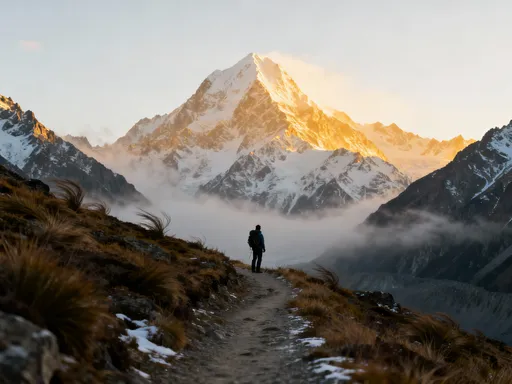
The first full view of Mount Cook often comes as a surprise, even for those who have seen photographs. Framed by jagged peaks and shimmering glacial rivers, the mountain stands with quiet authority. At 3,724 meters, it dominates the skyline, its snow-capped summit glowing under alpine light. The moment is not just visual—it’s emotional. Many travelers report a sudden stillness, a sense of awe that settles in the chest. This first impression is essential because it sets the tone for the entire journey. It signals that this is not a destination for rushing, but for reverence.
What makes this arrival even more profound is the sense of remoteness. There are no billboards, no traffic jams, no constant hum of human activity. The road to Mount Cook is narrow, winding, and often empty. Cell service fades in and out. This disconnection is not a drawback—it’s a gift. It allows visitors to shed the noise of daily life and enter a space defined by natural rhythms. The air feels purer, thoughts clearer, and time slower. This atmosphere of quiet intensity is what draws people back again and again, long after the initial view has faded from memory.
Beyond the Summit: Why Mount Cook’s True Magic Lies Below
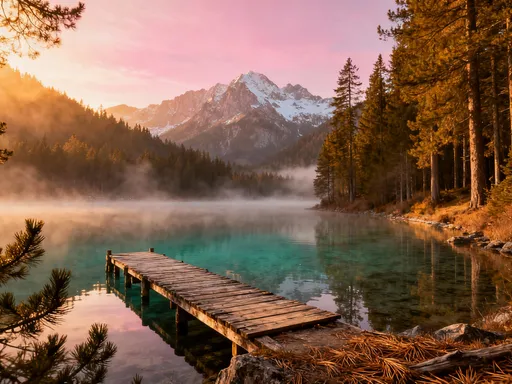
While Mount Cook’s summit captures headlines, the real magic unfolds at ground level. The surrounding valleys, glacial lakes, and alpine meadows offer a dynamic and ever-changing landscape shaped by ice, wind, and time. These features are not just scenic—they are living testaments to geological forces still at work. Among the most striking is Lake Pukaki, a vast expanse of turquoise water fed by glacial melt. Its color comes from rock flour—fine sediment ground by glaciers and suspended in the water, scattering sunlight into brilliant shades of blue and green. The lake stretches for kilometers, reflecting the mountain like a mirror, creating a surreal sense of symmetry between earth and sky.
Adjacent to Lake Pukaki lies the Tasman Glacier, New Zealand’s longest glacier, stretching over 27 kilometers. Unlike the static images often seen in textbooks, this glacier is alive—creaking, shifting, and retreating as climate patterns evolve. Visitors can take guided hikes or helicopter tours to walk on its icy surface, where deep blue crevasses and wind-carved snow formations create an otherworldly terrain. The scale is humbling: one stands on a river of ice that has flowed for centuries, shaped by forces far greater than human time. This proximity to raw natural power is rare and deeply moving.
Yet the beauty here is not only grand—it is intimate. Alpine herb fields bloom in summer with tiny flowers adapted to harsh conditions. Glacial streams carve delicate channels through gravel beds, their clarity so perfect that every stone is visible beneath the surface. These details reveal a landscape that is both powerful and fragile. The valleys below Mount Cook are not just backdrops—they are ecosystems in constant conversation with the mountain above. This interplay between ice, water, rock, and life is what makes the area so compelling. It reminds visitors that nature is not a static postcard, but a living, breathing system.
Secret Spots Only Locals Know
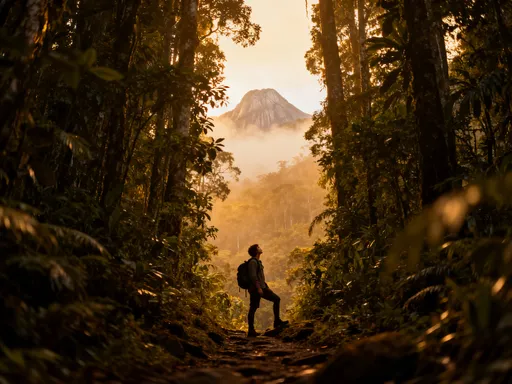
Away from the well-trodden Hooker Valley Track, a network of lesser-known trails offers solitude and surprise. One such gem is the side trail to Sealy Tarns, a steep but rewarding climb that rewards hikers with panoramic views of the Mueller Glacier and surrounding peaks. While many tourists stop at the main boardwalks, those who continue upward find themselves above the tree line, surrounded by alpine silence and sweeping vistas. The tarns themselves—small glacial pools nestled in rocky basins—reflect the sky with such clarity that it’s hard to tell where water ends and air begins. These moments of quiet reflection are what many visitors remember most.
Another hidden spot is the early-morning stretch of the Hooker Valley Track before 7 a.m., when mist still clings to the riverbed and the first light touches the mountain’s face. At this hour, the path is nearly empty. The wooden swing bridge over the Hooker River sways gently, and the only sound is the rush of glacial water below. This is the time to pause, breathe deeply, and let the landscape settle into your bones. Locals know that timing is everything—arriving early or visiting in shoulder seasons like late autumn or early spring increases the chances of experiencing Mount Cook in stillness.
Weather awareness is another key to unlocking these quiet moments. The alpine climate changes rapidly, and clear skies can turn to snow in under an hour. Locals watch for subtle signs—the direction of wind, the color of the clouds, the behavior of birds—to decide when and where to go. A red sky at dawn might mean strong winds by afternoon; a sudden drop in temperature could signal an incoming storm. Learning these cues doesn’t just keep travelers safe—it deepens their connection to the land. It turns a hike into a conversation with nature, not just a checklist of sights.
The Night Sky Like Nowhere Else
Mount Cook lies at the heart of the Aoraki Mackenzie International Dark Sky Reserve, one of only a few such reserves in the world. This designation means the area has virtually no light pollution, making it one of the best places on Earth for stargazing. On a clear night, the Milky Way arcs across the sky in brilliant detail, visible to the naked eye. Constellations shine with a clarity rarely seen elsewhere, and meteors streak across the heavens with startling frequency. For many visitors, this experience is transformative—a reminder of how small we are in the vastness of the universe.
Guided night walks are available during certain seasons, led by astronomers or park rangers who explain the southern constellations and Māori star lore. These walks are not just educational—they are deeply meditative. Standing under a sky so full of stars that it feels luminous, one begins to sense the rhythm of the cosmos. The air is still, the cold sharp, and the silence profound. It’s not uncommon for visitors to fall into quiet awe, speaking in hushed tones or not at all. This is not entertainment; it is communion.
Seasonal celestial events add to the magic. During winter, the aurora australis—southern lights—can sometimes be seen dancing in green and purple ribbons across the southern horizon. In summer, the long twilight allows for extended stargazing, with the first stars appearing while the mountain still glows with alpenglow. Even the moon takes on new beauty here, its light reflecting off the snow and ice with an almost electric intensity. For those seeking wonder beyond the daytime landscape, the night sky offers a different kind of revelation—one that lingers long after the journey ends.
How to Experience Mount Cook Like a Pro Traveler
Timing is crucial when planning a visit to Mount Cook. The best seasons are late spring (November) and early autumn (March to April), when the weather is most stable and the trails are clear of deep snow. Summer brings longer days and wildflowers, but also more visitors. Winter offers solitude and dramatic snowscapes, but requires preparation for cold temperatures and shorter daylight hours. Regardless of season, checking the Department of Conservation (DOC) website for trail conditions and weather forecasts is essential for a safe and enjoyable experience.
Transportation options include driving from Christchurch (about a four-hour journey) or taking a scenic flight for a bird’s-eye view of the Southern Alps. Once in the area, staying in the village of Mount Cook provides the closest access to trails and guided activities. The Hermitage Hotel offers comfortable lodging with panoramic views, while nearby towns like Twizel provide more budget-friendly options. For those who prefer self-catering, DOC huts and campsites are available with advance booking, though facilities are basic and respect for the environment is required.
Packing smart is key. Layered clothing is essential—mornings can be freezing, afternoons warm, and evenings windy. A waterproof jacket, sturdy hiking boots, sunglasses, and sunscreen are non-negotiable, even in summer. A reusable water bottle, trail snacks, and a small first-aid kit should always be in your pack. Most importantly, bring a sense of flexibility. The best moments in Mount Cook often come from unplanned stops—a sudden rainbow over the valley, a kea perched curiously on a fence, a quiet bench with a perfect view. Pro travelers know that preparation enables spontaneity, not the other way around.
Nature’s Power and Fragility: Understanding the Environment
The landscapes around Mount Cook are not static—they are in constant flux. Over the past few decades, the retreat of glaciers like the Tasman has been well documented. Satellite images and ground observations show significant ice loss, a visible sign of broader climate changes. While the mountain remains majestic, these shifts remind visitors that even the most powerful natural features are vulnerable. The glacial lakes are growing, moraines are shifting, and alpine species are adapting to new conditions. These changes are not just scientific data points—they are part of the story of the land.
Conservation efforts in the area are robust and community-driven. The Aoraki Mount Cook National Park is managed with a strong focus on sustainability. DOC maintains trails to prevent erosion, limits visitor numbers in sensitive areas, and runs educational programs about alpine ecology. Visitors are encouraged to follow the ‘Leave No Trace’ principles: packing out all waste, staying on marked paths, and avoiding disturbance to wildlife. Even small actions—like not feeding birds or leaving food scraps—help protect the delicate balance of this ecosystem.
Understanding this fragility deepens the travel experience. It shifts the focus from passive sightseeing to active stewardship. When visitors learn about the slow growth of alpine plants or the nesting habits of native birds, they begin to see the landscape not as a backdrop, but as a living community. This awareness fosters respect and responsibility. It also creates a more meaningful connection—one that lasts beyond the trip. Traveling with care is not a restriction; it is an invitation to engage more fully with the place you are visiting.
Why This Place Changes How You See the World
Spending time in the vast silence of Mount Cook has a way of recalibrating the soul. In a world filled with noise, speed, and constant connection, this alpine sanctuary offers something rare: stillness. The scale of the mountain, the depth of the valleys, the clarity of the air—all work together to shift perspective. Daily worries shrink in comparison to the ancient forces that shaped this land. Time feels different here, not measured in minutes but in glacial movements and star cycles. This shift is not just intellectual; it is emotional and physical.
Many visitors describe a sense of humility upon leaving Mount Cook. It’s not sadness or awe alone, but a quiet recognition of one’s place in the larger web of life. The mountain does not care about titles, achievements, or possessions. It simply exists, enduring, changing, and inspiring. This indifference is not cold—it is freeing. It allows people to step outside themselves and reconnect with something fundamental. For parents, it might mean seeing the world anew through their children’s eyes. For those in transition, it can offer clarity and peace.
This kind of travel does not entertain—it transforms. It challenges the idea that adventure must be loud, fast, or extreme. True wonder often lies in stillness, in paying attention, in being present. Mount Cook does not demand anything of its visitors. It simply invites them to look, to listen, to feel. And in that invitation, there is a quiet power. It reminds us that the most profound experiences are not found in crowds or comforts, but in the raw, honest beauty of the natural world. For those willing to seek it, such places still exist—and they are worth protecting, visiting, and remembering.